The 10 Worst Foods You Can Eat

This is going to be very helpful. In the end make some conclusions.

1.Chips
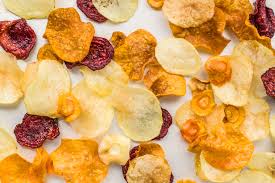
One ounce of regular potato chips has 152 calories and 10 grams of fat (3 grams saturated).If you eat just three ounces a week, in one year you’ll have consumed 23,400 calories and added about seven pounds to your waistline. And that’s from just a couple handfuls – which barely constitutes a satisfying snack for most of us.

Healthier Substitutes for Chips: Rice cakes and popcorn cakes are no longer the tasteless Styrofoam-like disks they once were. Now they’re available in lots of flavors, so you can satisfy a salty craving without hitting the potato chips.

2.Most Pizzas

Pizza is one of the world’s most popular junk foods.This is not surprising, given that it tastes awesome and is incredibly convenient to eat.

The problem is that most commercially prepared pizzas are made with seriously unhealthy ingredients.The dough is made from highly refined wheat flour, and the meats on them are usually processed. Pizza is also extremely high in calories.

Alternatives: Some pizza places use healthier ingredients. Homemade pizzas can also be very healthy, as long as you choose wholesome ingredients.

3. Stick Margarine

If your buttery spread can stand on its own, it’s the fats that are making that happen — specifically, its saturated fats. Saturated fats are more solid than, for example, a monounsaturated fat such as olive oil, and these fats are bad for you because they expand your waistline, raise your bad cholesterol levels (while lowering levels of good cholesterol), raise your risk of heart disease and raise your risk of suffering a stroke.

Stick margarine used to contain trans fats, also known as partially hydrogenated oils, and some brands still do (always read the ingredient label); trans fats are considered one of the worst — if not the worst — fats for you to eat.

4.Microwave Popcorn

Quick, easy, and often very tasty, microwave popcorn’s one of the worst foods to eat for several reasons. First, the microwavable bag is lined with a substance that, when heated, releases perfluorooctanoic acid (PFOA). According to the U.S. Environmental Protection Agency (EPA) and The American Cancer Society, PFOA stays in the environment and our bodies for a long time after exposure, and it has been shown to increase risk of certain cancers in lab animals as well as cause developmental irregularities. While the EPA has not officially classified PFOA as a carcinogen, it’s scientific advisory board suggested that PFOA is likely a human carcinogen after reviewing draft risk assessment data in 2005.

Second, the artificial butter flavoring in microwave popcorn may also contain 1 of 2 chemicals known to cause respiratory problems: diacetyl or 2,3-pentanedione (PD). While the biggest popcorn manufacturers have banned diacetyl from their products after it was shown to have caused lung diseases in those who regularly inhaled it (factory workers and even a consumer), many replaced the dangerous additive with 2,3-pentanedione, which recently has been shown to cause respiratory toxicity in rats.

5.Doughnuts


White flour, vegetable shortening, white sugar – and it’s deep-fried to boot.One glazed Krispy Kreme doughnut packs 200 calories and 12 grams of fat, including heart-stopping saturated fat, trans fats and cholesterol.

An old-fashioned cake doughnut is even worse: 300 calories, 28 grams of carbohydrates and a whopping 19 grams of fat, including 5 grams of saturated fat and 4 grams of trans fats.

6.Gluten-Free Junk Foods

Gluten-free is all the rage these days.

About a third of people in the US are actively trying to avoid gluten, according to a 2013 survey.

The problem with many gluten-free diets, is that people replace the gluten-containing foods with processed junk foods that happen to be gluten-free.These gluten-free replacement products are often high in sugar, unhealthy oils and refined grains like corn starch or tapioca starch. These refined starches lead to rapid spikes in blood sugar, and are extremely low in essential nutrients.

Alternatives: Choose foods that are naturally gluten-free, like unprocessed plants and animal foods. Gluten-free junk food is still junk food.

7. Anything Deep Fried

Deep-fried foods are the weakness of many; even First Lady Michelle Obama has confessed her love for french fries. One of the problems with eating deep-fat fried foods is that cooking foods at such high temperature may cause them to form toxic chemical compounds — that we then eat. You see, too many french fries won’t only increase your waistline (which they will); your side order is also linked to health problems such as stroke and an increased risk of certain cancers including breast, esophageal, head and neck, lung, pancreatic and prostate. Men, for example, who eat fried foods — doughnuts, fried chicken, fried fish and/or french fries — once or more per week increase their risk for prostate cancer as much as 30 to 37 percent.

High-temperature cooking, and especially deep frying, also causes foods to develop AGEs (short for advanced glycation endproducts), and AGEs have been linked to chronic inflammation and disease-triggering oxidative stress.

8.Fat-Free Ice Cream

Low-fat ice cream may sound like healthier fare, but it can cause just as many pounds gained, maybe even more! This is because sugar – another one of my heart-health villains – often replaces the missing fat in low- and non-fat varieties of ice cream. Fat helps your body feel satiated, and – like a speed bump – helps to slow any insulin surges needed to metabolize sugar in your bloodstream. Your body also needs fat to absorb and utilize fat-soluble vitamins A, D, E, and K. My advice – if you’ve got to have ice cream, keep the fat and limit portion size to 1/2 cup.

9. Imitation Cheese in a Can

Some people love this stuff.

But they ignore their protesting hearts: Two tablespoons – about the amount you’d put on two crackers – packs 276 calories and 21 grams of fat, 13 grams of which are saturated.

Healthier Substitutes for Imitation Cheese: 
Go for the real thing. Soft cheeses like Brie have about 100 calories per ounce.Goat cheese is even better: One ounce has 76 calories and 5 grams of protein.

10. Canned Soup


Although quick and convenient, canned soup can contain monosodium glutamate (commonly known as MSG),  a “flavor enhancer” that is notorious for causing reactions such as headaches, nausea, heart palpitations, and more. MSG is an excitotoxin that can enter the brain and cause damage to neurons. Although it is widely associated with Chinese food, MSG is also frequently found in American fast and processed foods – be sure to carefully examine food labels for its elusive presence – MSG can go by many names; my colleague.

If you are looking for workout clothes check our fitness and yoga leggings page.
Sources: http://www.everydayhealth.com, http://www.healthline.com, http://www.science.howstuffworks.com, http://www.heartmdinstitute.com

Fitness and yoga leggings
workout leggings

Top 10 Celebrity Workout Songs

Who want to know celebrity’s favorite workout songs.

1.Lindsey Vonn’s Get-Pumped Playlist

“Only Girl (in the World)” – Rihanna
“The Show Goes On” – Lupe Fiasco
“Get Back Up” – T.I., featuring Chris Brown
“Hero” – Nas, featuring Keri Hilson
“Like a G6” – Far East Movement
“Imma Do It” – Fabolous
“Loyalty” – Birdman, featuring Lil Wayne and Tyga
“No Hands” – Waka Flocka Flame, featuring Roscoe Dash and Wale
“Right Above It” – Lil Wayne, featuring Drake
“Won’t Back Down” – Eminem, featuring Pink

2.Katy Perry

“Jamie Foxx’s ‘Blame It’ has this little beat in the best spot-I love playing it,” says Perry. “I was just blasting it in the car.”

3. Dr. Dre

Eminem – till i collapse
Kanye west – power
Nero – doomsday

4.Kendall Jenner

Whether she’s in New York City boxing at Gotham Gym or getting a quick workout in at a hotel gym, she never allows herself to slack off on her fitness routine. Jenner shared her current workout music playlist on her website, so you can check it out for yourself. It includes R&B jams like “Body Party” by Ciara, “Unfoolish” by Ashanti, and “Ignition (Remix)” by R. Kelly. 

5.Dwayne ‘The Rock’ Johnson 

Archie Eversole – We Ready
Godsmack – Rocky Mountain Way
One Life, Last Breath – Boo-Yaa T.R.I.B.E.
Tech N9ne – Erbody But Me
N.E.R.D, Rihanna – Lemon (Drake Remix – Audio) ft. Drake
A$AP Ferg – Plain Jane
E-40 Feat. 2 Chainz & Juicy J – They Point
Migos – Peoples Elbow
Metallica – Enter Sandman
Nicki Minaj – Chun-Li

6.Sophia Bush

“When I go to the gym it’s a lot of Taylor Swift’s ‘Fearless’ album,” says Bush. “‘Love Story’ makes you happy and energized. It’s the perfect melding of silly, sweet and fun.”

7.Hugh Jackman

Jackman relies on heavy metal bands like Metallica and Godsmack to get him through a particularly brutal workout. 

8. Britney Spears

Shakira – Can’t Remember to Forget You
Michael Jackson – The Way You Make Me Feel
Madonna – Material Girl

9. Ashton Kutcher

Considering the actor isn’t usually associated with the music industry, this workout playlist provides some nice insight into Kutcher’s musical taste. Be warned, some of his picks may come off as ill-advised at best.

Top track: “Lose Yourself” by Eminem
Cringiest track: “Photograph” by Nickelback

10. Taylor Swift

Based on the tracks featured, Taylor’s musical taste is pretty much in line with her own musical style, although the playlist does have its fair share of diversity.

Top track: “Nothing’s Gonna Hurt You Baby” by Cigarettes After Sex
Cringiest track: “Something Just Like This” by The Chainsmokers featuring Coldplay

If you are looking for workout clothes check our fitness and yoga leggings page.

Fitness and yoga leggings
workout leggings

Sources: http://www.ranker.com, http://www.fitnessmagazine.com, http://www.instyle.com, http://www.glamour.com, http://www.sony.com, http://www.billboard.com

Top 10 Food Allergy Myths

In modern society allergy is big part of our life, so what are top myth to stop believing in.

1.You’re “allergic” to any food that gives you problems.

This statement is false, since there are several problems that can arise after eating specific foods, the majority of which are unrelated to allergy. True allergies to foods are immunologic reactions involving the class of immunoglobulins (proteins that assist in the body’s immune response) known as immunoglobulin (Ig) E. Other kinds of reactions to foods that are not food allergies include food intolerances (such as lactose or milk intolerance ), food poisoning, and toxic reactions.

The prevalence of food allergy in the population is much lower than the prevalence of adverse reactions to foods. It is estimated that true food allergies occur in 2% to 5% of the population.

2.Food allergies can be mild.

Truth:  Yes, reactions can be mild, but even if someone has experienced mild reactions (such as a rash) in the past, they can still have an anaphylactic response to the next exposure.  Allergies are unpredictable.  Here are some possible reactions to exposure to peanuts:  rash, vomiting, diarrhea, drop in blood pressure, swelling, losing the ability to breath (which will cause death if not treated immediately).

3.Food allergy is the same as “intolerance” or “sensitivity.”

There are similarities, for sure. Allergy, intolerance, and sensitivity are a little bit like siblings. They all belong to the same “family” of bad reactions to food. But there are big differences.

An allergy happens when the immune system, your body’s defense against germs, has a reaction to a particular food. It can be mild, like an itchy feeling or hives. Sometimes you get severe symptoms — called anaphylaxis — like trouble breathing, a swollen tongue, or dizziness.
Food intolerance means your body is missing an enzyme you need to digest some type of food. If you’re lactose intolerant, for instance, you don’t have enough lactase, an enzyme that lets you digest dairy products. If you’re gluten intolerant, you can’t process gluten, which is found in some grains including wheat, barley, and rye.

4.You cannot have an allergic reaction on the first known oral exposure to a food allergen.

Mythbuster

Over one‐third of IgE‐mediated allergic reactions occur to a food with no known prior ingestion.

The why?

It is immunologically required to be exposed to antigen/allergen in order to switch B cells from IgM to IgE production and for affinity maturation of B cell responses. This initial exposure (and sensitisation in allergic individuals) to an allergen may occur through the gut via allergens in breast milk,12 the skin particularly in children with a breakdown in the normal skin barrier such as those infants with eczema,13 or more rarely via the respiratory tract without any apparent ingestion of the food in question.

5.All food allergies in children resolve as they get older.” 

As they grow older, some children may tolerate foods that previously caused allergic reactions. This is more likely to happen in the case of allergies to milk, eggs, and wheat, in which the severity of reactions (or symptoms) may decrease by late childhood.

It is not clear in all cases, however, if the improved symptoms are an indication that the allergy has disappeared. Peanut allergy is the least likely to go away. To determine if a food allergy has gone away after an appropriate strict elimination period (typically greater than a year) an oral challenge should be undertaken by an allergist skilled in conducting these challenges.

6. As long as you don’t introduce a food to a child at too young of an age, and no one in your family has food allergies, your child will not develop one.

Truth:  Nobody knows what causes food allergies.  Also, even if no one in your family has ever had a food allergy, your child could develop one (as in our case).  No one is safe from food allergies.  They can even develop as an adult to a food you’ve eaten your whole life.

7.Most food allergies are caused by additives such as artificial colors and flavorings.

“Absolutely a myth,” McMorris says. It’s true that some reactions to additives are similar to those caused by food allergies. Nitrates, for instance, can cause hives and itching. And red and yellow food coloring have been linked to anaphylaxis.

The actual allergy triggers are the proteins in the food, McMorris says. Food additive intolerance is rare. Less than 1% of adults have it.

8.Only children who have had a history of anaphylaxis need an adrenaline autoinjector.

Mythbuster

It is not necessary for a child to have previously experienced anaphylaxis in order to be assessed as being ‘at risk of anaphylaxis’.

The why?

Whether or not a child with an IgE‐mediated food allergy is at risk of anaphylaxis is a clinical judgment that must be considered for all individuals presenting with an IgE‐mediated food allergy. There is no current test (skin test and OFC or other) that can reliably determine this risk.

The Australasian Society of Clinical Immunology and Allergy (ASCIA) guidelines state that an adrenaline autoinjector (AAI) prescription is recommended for individuals with a history of anaphylaxis and may also be recommended if there are other known risk factors for more severe or fatal reactions. This includes children with a history of a generalised allergic reaction and any one of the following: adolescent age group, nut allergy, comorbid conditions (e.g. asthma and arrhythmia) or limited access to emergency medical care.

9.Peanut allergy is the most common food allergy.”

 Peanut allergy is the food allergy most likely to result in anaphylactic reactions (severe, potentially fatal allergic reactions), but only about 0.6% of the population is affected by peanut allergy. The most common food allergies reported by adults are allergies to fruits and vegetables.

Any food you’re allergic to could cause a serious reaction, whether it’s peanuts, tree nuts, milk, eggs, wheat, soy, fish, or shellfish. Those eight foods make up 90% of food allergies in the U.S. All of them have the potential to be life-threatening, McMorris says.

10.Oral desensitisation is a cure for food allergy.

Mythbuster

Although small studies suggest that desensitisation with a daily dose of allergen can be achieved for a majority of children with egg, milk and peanut allergy, the majority of children remain allergic once the daily therapy is ceased with current oral immunotherapy regimes and both minor and serious side effects are common.

The why?

Recent studies have reported successful desensitisation with oral immunotherapy (OIT) to peanut, milk and egg. This therapy is generally based upon daily administration of gradually increases allergen doses allergen with up‐dosing and maintenances phases. These have shown a capacity to induce desensitisation in allergic individuals, albeit with both mild and severe allergic symptoms during therapy in a significant proportion of patients.

However, the proportion of children reported to maintain sustained tolerance once regular daily administration of the allergen is ceased is disappointing low at less than 25% with high rates of side effects.

If you are looking for workout clothes check our fitness and yoga leggings page.

Push up leggings
fitness and yoga leggings

Sources: http://www.webmd.com, http://www.onlinelibrary.wiley.com, http://www.itchylittleworld.com, http://www.medicinenet.com

Top 10 Healthiest Fruits on the Planet

Some fruits are more healthier than others, check out best 10 fruits to add to your diet.

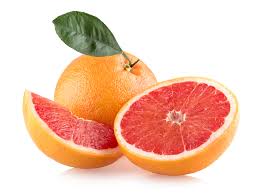
1.Grapefruit

Grapefruit is one of the healthiest citrus fruits.

Besides being a good source of vitamins and minerals, it is known for its ability to aid weight loss and reduce insulin resistance.

For example, in a study in 91 people, those who ate half a fresh grapefruit before meals lost 2.9 pounds (1.3 kg) more weight than those who didn’t.

In the same study, the grapefruit group had a significant reduction in insulin levels and reduced insulin resistance. Also, eating grapefruit has been shown to reduce cholesterol levels and help prevent kidney stones

2.Kiwi: Loaded with vitamins

Beneath its fuzzy skin is a sweet fruit loaded with vitamins C and E, both strong antioxidants that protect against cancer and promote eye health. Kiwis are also low in calories and high in fiber, making them ideal for weight loss. Because they can last up to four weeks when stored in the refrigerator, they are a great snack to keep all year round.

3.Apple. 

A low-calorie snack, high in both soluble and insoluble fiber.  Nutrition experts claim one large apple has around 130 calories, and none come from fat. Apples also have no sodium or cholesterol—nutrients many want to expressly avoid. One apple has 34 grams of carbohydrates, 25 grams of which come from the fruit’s natural sugars.

Lisa Sefcik, in an article, wrote: “One apple gives you 20 percent of your daily value [DV] of fiber. You also get 2 percent of your DV of vitamin A, iron and calcium, and 8 percent of your DV of vitamin C. Almost half of the fruit’s vitamin C content is within the skin, so it’s best to eat apples unpeeled. Apple skins are a valuable source of the fruit’s fiber and also contain pectin.”

4. Acai Berryes

Açaí actually deserves some of the hype it gets, thanks to weapons grade antioxidant levels that clobber other Superfruit rivals like blackberries, strawberries, and blueberries. However, because this tiny berry hails from Brazil, it’s not easy to find fresh. “I recommend powdered açaí berry, which can be added into a smoothie,” says Glassman. “Not only is this an easy way to get super fruits into your diet, but it also helps mask the tart, sometimes bitter taste.”

5.Pineapple

Among the tropical fruits, pineapple is a nutrition superstar. One cup (237 ml) of pineapple provides 131% of the Reference Daily Intake (RDI) for vitamin C and 76% of the RDI for manganese

Pineapple also contains bromelain, a mixture of enzymes known for its anti-inflammatory properties and ability to digest protein (6).Test-tube and animal studies suggest that bromelain may help protect against cancer and tumor growth

6.Mangoes: Immunity boosters

Mangoes are becoming increasingly popular among nutritionists due to their exceptionally high levels of beta-carotene, which the body converts into vitamin A to promote bone growth and a healthy immune system. Even more, these exotic treats are packed with more than 50 percent of your daily vitamin C—that’s more than oranges provide.

7.Bananas

Ever grab a snack but then feel hungry again 20 minutes later? Next time, reach for a banana. This Superfruit is loaded with potassium, which can lower your blood pressure, and is one of the best sources of Resistant Starch, a healthy carb that fills you up and helps to boost your metabolism.

8.Avocado. 

The most nutritious fruit in the world.  The reason, according to Health Online Zine,  is that the fruit “contains in excess of 25 essential nutrients, including vitamins A, B, C, E and K, copper, iron, phosphorus, magnesium and potassium.”

Avocado also contains fiber, protein and beneficial phytochemicals, such as beta-sitosterol, glutathione and lutein, which help protect against various diseases and illnesses.  In addition, “avocado is one of the high- calorie fruits that you could be eating. This is due to its larger amounts of fat content, approximately 20 times the average of other fruits.”

Nutritionists claim avocados contain goodly amounts of vitamin C (necessary for the production of collagen needed for the growth of new cells and tissues which prevents viruses from penetrating cell membranes, and also a powerful antioxidant), thiamine (converts carbohydrates to glucose to fuel the brain and nervous system) and riboflavin (helps the body to release energy from proteins, carbohydrates and fat).

9.Blueberries

Blueberries have powerful health benefits.

They have an impressive nutrition profile, being particularly high in fiber, vitamin C, vitamin K and manganese.

Blueberries are also exceptionally high in antioxidants.In fact, they are believed to contain the highest antioxidant content of the most commonly consumed fruits

The antioxidants in blueberries may reduce the risk of chronic conditions, such as heart disease, diabetes and Alzheimer’sBlueberries are also known for their powerful effects on the immune system.

10.Pomegranates: More antioxidants than red wine or green tea

Pomegranate juice has two to three times the antioxidant capacity of red wine or green tea, and is also a great source of potassium, which sustains energy and controls high blood pressure. Research shows that drinking ¼ cup of pomegranate juice daily could improve cardiovascular health, lower cholesterol, and help with erectile dysfunction. However, talk to your doctor before you drink regular amounts of pomegranate juice, as it can sometimes negatively interact with prescription drugs. Top salads with pomegranate seeds for a vitamin-packed meal

If you are looking for workout clothes check our fitness and yoga leggings page.

Sources: https://www.healthline.com, https://www.rd.com, https://businessmirror.com.ph, https://www.health.com

workout leggings
fitness and yoga  set suit

Top 10 Hardcore Workout Songs

These songs are nor for weak minted people! You have been warned.
This is my personal top 10 list, this songs are on my phone when i workout.

1.Tech n9ne – Straight out the gate

Artist: Tech N9ne Featured artists: Serj Tankian, Krizz Kaliko Album: Something Else Released: 2013 Genre: Hip-Hop/Rap

2. Avery watts – A cut above

Artist: Avery Watts Album: The Takeover Released: 2011 Genre: Rock

3. Shinedown – Cut the cord

Artist: Shinedown Album: Threat to Survival Released: 2015 Genre: Rock

4.Egypt central – White rabbit

Artist: Egypt Central Album: White Rabbit Released: 2011 Genre: Hard Rock

5.Cult To Follow – Murder Melody

Artist: Cult to Follow Album: Cult to Follow Released: 2008 Genre: Rock

6.THROUGH FIRE – Stronger

Artist: Through Fire Album: Breathe Released: 2016 Genres: Metal, Rock

7.Manafest – Impossible

Artist: Manafest Featured artist: Trevor McNevan Album: Glory Released: 2006 Genre: Rock

8.Hollywood Undead – Pain

Artist: Hollywood Undead Album: Swan Songs Released: 2008 Genres: Hard Rock, Rock

9.Skillet – “Not Gonna Die”

Artist: Skillet Album: Rise Released: 2013 Genres: Progressive metal, Contemporary Christian

10.Fivefold – Darker Side Of Me

Artist: Fivefold Album: Open Letter Released: 2015 Genre: Rock

If you like this list i will make second part, because i have too much good songs in my playlist. If you are looking for workout clothes check out our fitness and yoga leggings page.

fitness leggings
workout leggings

Top Workout Songs Of All Time

So much awesome music, will try to fit it in top 10. This is not my favorite list, this is popular choice in the web. Next time will be mine list get ready!

1.“Push It” by Salt-N-Pepa

Tell us you don’t remember dancing to this as a kid, and we won’t believe you. Admit you didn’t know what a “fly mother” was, and we will. Either way, it’s physically impossible to listen to this 1988 hit and stay still—we recommend Salt-N-Pepa’s gymtastic dance routine as your calorie-burning mode of self-expression for this one.—Sophie Harris

2. Remember The Name – Fort Minor

This is a song which will leave you off your feet and definitely this is one the best training songs which you should not leave behind when moving up to the gym to lose that fat

3.PUMP IT, BLACK EYED PEAS

Album:Monkey Business
BPM: 152

4. Survivor – Eye of the tiger

◦ This song will put you in the mood and ultimately make you move faster in your verge of getting it done. This is a song which you will definitely not regret listening to.

5.Eminem – ‘Lose Yourself’

It’s easy to tire of your usual gym-picks but some songs will always remain firmly on the playlist. One of those is Eminem’s classic ‘Lose Yourself.’ If that doesn’t inspire you to up the speed on the running machine, what will?

6.‘Till I Collapse – Eminem

Whenever you hear hear song, you just want to fight. It gets you blood pumping and makes you want to work harder. An awesome song, I would say it’s better than lose yourself.

7. Linkin Park – Numb

◦ As we go along the list, this song will take you on a ride of tuneful music which is one of the best workout tunes.

8.Gonna Fly Now – Bill Conti

Truly gigantic song and great motivator. It gives great energy boost and makes one pump harder.

9. Sam Trocki ft. Yelawolf – Louder (ft. InkMonstarr)

◦ Moving further, rhythm n gash will not let you lose any gym or aerobics because it provides the best aerobics song.

10.Du Hast – Rammstein

Great beat and fantastic lyrics as well. Makes you move and gets your blood pumping faster with this song. The English version is good, but the German version is the best.

If you are looking for workout clothes check out our fitness and yoga leggings page.

workout leggings
workout leggings

Top 10 Most Common Food Allergies

In the list you will find foods that you buy everyday.

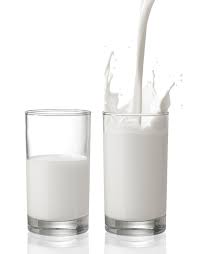
1. Milk

Cow’s milk allergy is the most common food allergy among children, affecting about 2-3% of children, although many children will outgrow their allergy before school age.2,3 However, recent research indicates that children who have milk allergy may be less likely to outgrow their allergy than they were in previous decades

2.Eggs

An egg allergy is the second most common cause of food allergy in children

However, 68% of children who are allergic to eggs will outgrow their allergy by the time they’re 16.

Symptoms include:

  • Digestive distress, such as a stomach ache
  • Skin reactions, such as hives or a rash
  • Respiratory problems
  • Anaphylaxis (which is rare)

Interestingly, it’s possible to be allergic to egg whites, but not the yolks, and vice versa. This is because the proteins in egg whites and egg yolks differ slightly.

Yet most of the proteins that trigger an allergy are found in egg whites, so an egg white allergy is more common

Like other allergies, the treatment for an egg allergy is an egg-free diet (13).

However, you may not have to avoid all egg-related foods, as heating eggs can change the shape of the allergy-causing proteins. This can stop your body from seeing them as harmful, meaning they’re less likely to cause a reaction

3.Fish

Fish allergy can often cause severe reactions, including anaphylaxis. Adults are more likely to have an allergic reaction to fish and shellfish than children, which is probably because adults eat these foods more often.

People who are allergic to one type of fish, such as cod, often react to other types of fish, such as hake, haddock, mackerel, and whiting.

This is because the allergens in these fish are quite similar. Cooking doesn’t destroy fish allergens. In fact, some people with a fish allergy can be allergic to cooked but not raw fish.

4.Wheat

Wheat contains the protein gluten which people who suffer from the coeliac disease are allergic to. In many cases, a person suffering from the coeliac disease can tolerate rice but not other wheat-related grains such as oats, rye or barley. Currently, there is no cure for the coeliac disease and those who suffer from it are typically advised to refrain from eating foods that contain gluten.

If gluten is ingested, a person who is allergic to it can experience various symptoms, ranging from mild to life-threatening. They can include:

  • Inflammation in the abdomen and bowel, which is often painful
  • Diarrhoea, bloating and cramping
  • Mouth ulcers
  • Muscle pains
  • Skin irritations

5.Peanuts

Peanut allergy affects between 1-2% of children and 0.6% of the overall U.S. population.2 Peanut allergic individuals may experience mild to life-threatening reactions, which can be unpredictable.

To prevent an allergic reaction to peanuts, all foods that contain or may contain peanuts should be avoided. Peanuts must be listed on food labels under the ingredient list or in a “contains” statement. Lupin is not a peanut ingredient, but has been reported to cause cross-reactivity reactions for peanut allergic individuals. 

6.Tree Nuts

A tree nut allergy is an allergy to some of the nuts and seeds that come from trees.It’s a very common food allergy that’s thought to affect around 1% of the US population

Some examples of tree nuts include:

  • Brazil nuts
  • Almonds
  • Cashews
  • Macadamia nuts
  • Pistachios
  • Pine nuts
  • Walnuts

People with a tree nut allergy will also be allergic to food products made with these nuts, such as nut butters and oils.

7.Soybean

Soybean allergy is a common childhood allergy. Most people grow out of it by the age of two, but occasionally adults are allergic to soybean. The symptoms of soybean allergy are similar to milk allergy, and they include:

  • rashes
  • diarrhea
  • vomiting
  • stomach cramps

Some people with soybean allergy might also react to milk. Very rarely, soybean can cause anaphylaxis.

Soybean is used as an ingredient in about two-thirds of all manufactured food products, including bakery goods, sweets, drinks, breakfast cereals, ice cream, margarine, pasta, processed meats, and seasoned foods.

8.Sesame Seeds

Sesame seeds are especially potent when it comes to food allergens and are most often a lifelong allergy. An allergy to sesame seeds is also particularly difficult to control as the food label does not always specifically say sesame seeds. Other names indicate the presence of sesame seeds; for example, sim sim, benne or gingelly seeds. Both the people suffering from sesame seed allergies and food handlers need to be aware of each different name that can indicate the presence of sesame seeds.

Sesame seeds are tiny and it doesn’t take many to cause and allergic reaction. Some of the symptoms can be:

  • Skin irritations and rashes
  • Abdominal pain, nausea, vomiting and diarrhoea
  • Itchy mouth, throat or eyes
  • Swelling of the face, nose or mouth
  • Shortness of breath
  • Anaphylactic reactions – in severe cases

9.Crustacean Shellfish

Shellfish allergy may affect as many as 2.6% of women and 1.5% of men.2Crustacean shellfish includes shrimp, lobster and crab and are the foods within the shellfish category that cause the most…Read More

allergic reactions, according to the American College of Allergy, Asthma and Immunology.7Mollusks, such as scallops, clams and mussels, are often tolerated by those with shellfish allergy, but allergic individuals should discuss the risks with their healthcare provider. As with all food allergies, careful avoidance should be maintained to avoid accidental ingestion of allergenic food. Avoiding seafood restaurants and foods with “seafood” in the name (ex. “seafood chowder”) is an important strategy for avoidance. 

Common foods that may contain crustacean shellfish (not an exhaustive list): 

✓ Shrimp, lobster and crab
✓ Prawns
✓ Crayfish or crawfish
✓ “Fish” or “seafood” broth Asian sauces or sauce mixes
✓ Sushi
✓ Artificial crab sticks (surimi)
✓ Seafood or artificial flavoring

10.Other common food allergies

People can be allergic to almost any food. As a result, there are many allergies that affect a lot of people but aren’t part of the big eight; these include:

  • Cereal allergy – the most common foods in this category are oats, wheat, maize (corn), rice, rye, and barley.
  • Coconut allergy – uncommon, though patients may experience anaphylaxis. Those with other nut allergies are more likely to be allergic to coconut.
  • Fruit and vegetable allergy – allergic reactions to fruits and vegetables are usually mild. Cooking vegetables often destroys the allergens.
  • Pine nut allergy – pine nuts can cause severe allergic reactions, including anaphylaxis. People who are allergic to pine nuts might also react to peanuts and nuts, such as almonds.
  • Meat allergy – people with a meat allergy might react to beef, mutton, pork, or chicken. Cooking destroys some of the allergens in meat, but some people will still react.
  • Quorn allergy – Quorn is a type of protein, which is made from a fungus. There have been some reports of intolerance to Quorn, but this is not surprising because allergens are usually proteins.
  • Rice allergy – people who are allergic to rice can react when they eat it or when they inhale its pollen.
  • Spice allergy – reactions to spices are usually mild, but severe reactions can happen occasionally. Some people react to mustard, coriander, caraway, fennel, paprika, or saffron.

That is all friends, if you are looking for workout clothes check out our fitness and yoga leggings page page.

ngs
Fitness and yoga leggings

Top 10 Scientifically Proven Ways to Speed Recovery

Recovery is important for muscle grow, even is important as the workout it self. How to do it right read bellow

1.Get more sleep.

While the exact relationship between sleep and exercise is still unclear, multiple studies suggest sleep deprivation can have a significant negative effects on performance and recovery.  Sleep is also prime time for the body to undergo protein synthesis, so getting extra zzzs after a tough workout might make for stronger muscles and better endurance. 

2. Replace Lost Fluids

You lose a lot of fluid during exercise and ideally, you should be replacing it during exercise, but filling up after exercise is an easy way to boost your recovery. Water supports every metabolic function and nutrient transfer in the body and having plenty of water will improve every bodily function. Adequate fluid replacement is even more important for endurance athletes who lose large amounts of water during hours of sweating.

3.Get Serious About Pre-Workout Nutrition

By now, most people understand that the foods they eat after their workout and throughout the day factor into the quality of their recovery. The foods you eat before a workout can also play an important role in pre-empting the tissue-rebuilding process once the workout is over.

Digestion is a lengthy process; proteins and carbs that you ingest prior to the workout will still be circulating in the body afterward. For this reason, choose your foods wisely. Make sure you get high-quality, lean protein along with some complex carbohydrates, especially if you plan on an intense workout. I recommend consuming your meals roughly two hours prior to your workout to avoid digestive issues or cramps.

4.Drink chocolate milk.

Looking for a convenient post-workout snack on the go? Chug some chocolate milk. The protein it contains will kickstart muscle recovery, and those chocolaty carbs have been shown to decrease the amount of time it takes for the body to get ready for its next challenge.

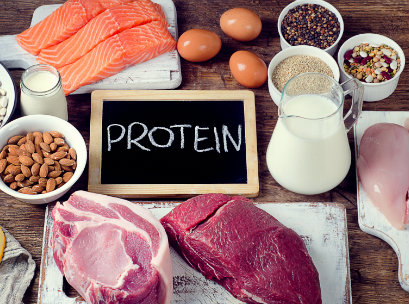
5.Consume protein before bed.

Barring a serious case of sleepwalking, we’re not usually giving our body nutrients while we sleep. Consuming a light, protein-rich snack before bed allows our bodies to keep repairing muscles overnight.

6.Take an Ice Bath

Some athletes swear by ice baths, ice massage or contrast water therapy(alternating hot and cold showers) to recover faster, reduce muscle soreness and prevent injury. The theory behind this method is that by repeatedly constricting and dilating blood vessels helps remove (or flush out) waste products in the tissues. Limited research has found some benefits of contrast water therapy at reducing delayed onset muscle soreness (DOMS).

How to use contrast water therapy: While taking your post-exercise shower, alternate 2 minutes of hot water with 30 seconds of cold water. Repeat four times with a minute of moderate temperatures between each hot-cold spray. If you happen to have a spa with hot and cold tubs available, you can take a plunge in each for the same time.

7.Don’t Skip The Stretching

Stretching probably doesn’t sound sexy (or even necessary) when all you want is size, but it might be the most underrated player in muscle growth. By not having the necessary flexibility and muscle pliability, you might short yourself on muscular gains in many compound lifts. For example, if your ankles are too tight, you can’t go deep enough in a squat to reap maximum benefits.

Barbara Bolotte, IFBB pro, stresses, “Make sure you allot at least 20 minutes after a workout to cool down and stretch. If you don’t plan for it, you are more likely to skip it.”

8.Make foam rolling your friend.

Much of the soreness that goes along with exercise occurs when our muscles and fascia—connective tissue running throughout the body—become knotted. Rolling out muscles with foam or semi-rigid rollers—two forms of self-myofascial release—can help remove those knots and prevent muscle imbalances from forming. While not exactly noted for its comfort, the benefits are worth it.

9.Listen to Your Body for a Faster Recovery

The most important thing you can do to recovery quickly is to listen to your body. If you are feeling tired, sore or notice decreased performance you may need more recovery time or a break from training altogether. If you are feeling strong the day after a hard workout, you don’t have to force yourself to go slow. If you pay attention, in most cases, your body will let you know what it needs, when it needs it.

10.Reduce Your Stress

Acute stress—like the kind you create from exercise—is a good thing. Chronic stress from other sources like work deadlines and inadequate sleep can significantly influence how you feel on a day-to-day basis as well as how quickly you recover. Too much stress can drastically protract your recovery time between workouts.

When intense workouts are thrown into the volatile combination of high chronic stress and an already overworked body, you are asking your body to eventually break down in the form of lackluster results or, worse, severe injury. Any form of stress in your life is going to take a toll on your overall well-being and your body’s capacity to take on anything further.

Follow the list and the recovery will improve drastically, if you are looking for workout clothes check out our fitness and yoga leggings page.

Workout leggings
fitness and yoga leggings

Top 10 Best Foods For Six-Pack

Some foods are delicious and not healthy, but others are delicious and healthy.

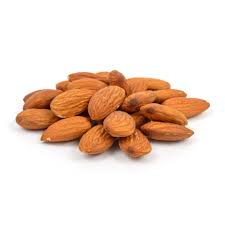
1.Almonds

These delicious and versatile nuts contain filling protein and fiber, not to mention vitamin E, a powerful antioxidant. They’re also a good source of magnesium, a mineral your body must have in order to produce energy, build and maintain muscle tissue, and regulate blood sugar. “A stable blood-sugar level helps prevent cravings that can lead to overeating and weight gain,” says David Katz, MD, a professor at the Yale University School of Medicine. But what makes almonds most interesting is their ability to block calories. Research indicates that the composition of their cell walls may help reduce the absorption of all of their fat, making them an extra-lean nut.

Try for: An ounce a day (about 23 almonds), with approximately 160 calories. An empty Altoids tin will hold your daily dose perfectly.

2.Cucumbers

Thanks to the flavonoid antioxidant quercetin (which reduces swelling) and a high water content of 96%, cucumbers “can definitely help prevent bloating,” says Gans. This crunchy veggie is also extremely versatile: eat it in a chopped salad, sprinkle on top of yogurt, or munch on cucumber slices with homemade hummus. 

3.Burn fat with yogurt

Eating regular and Greek yogurt is a great way to banish belly flab. The probiotics in yogurt balance out the good bacteria in your gut, and this keeps things moving along your digestive tract.

One to three cups of low-fat or fat-free yogurt also counts toward your recommended calcium and protein servings for the day.

4. Green Tea


Consumed for thousands of years, green tea is an incredibly healthy drink that offers a number of benefits, including a leaner waistline. Green tea is packed with various polyphenols and antioxidants that combat inflammation, increase metabolism, and burn fat. Chief among these polyphenols is EGCG (Epigallocatechin gallate) which mobilizes stored fat to be burned for energy, by increasing noradrenaline in the body. EGCG inhibits an enzyme that breaks down norepinephrine, so by stopping the actions of that enzyme, EGCG preserves noradrenaline, leading to greater fat burning and weight loss.

5.Quinoa

Never heard of it? Pronounced KEEN-wah, this whole grain contains 5 grams of fiber and 11 grams of protein per half cup. Cook it as you would any other grain (although some brands require rinsing). Quinoa’s nutty flavor and crunchy-yet-chewy texture are like a cross between whole wheat couscous and short-grain brown rice.

Try for: At least one half-cup serving (a third of your whole-grain requirements) per day. Try substituting AltiPlano Gold brand instant quinoa hot cereal (160 to 210 calories per packet), in Chai Almond and Spiced Apple Raisin, for oatmeal. Look for it in health-food stores.

6.Lentils

As a member of the super-nutritious pulse family, lentils—along with other seeds that grow within pods like chickpeas, white beans, and dried peas—are packed with protein and fiber, which increase satiety. They’re also a good source of iron; this is important because studies have shown that being deficient in the mineral could slow down your metabolism.

“Add lentils to salads or use in place of whole grains like brown rice,” says Cynthia Sass, MPH, RD, Health‘s contributing nutrition editor. “They also make a great ‘bed’ for a serving of lean protein, along with a generous portion of veggies.”

7. Avocado


Avocados aren’t just for making a tasty dip for fried tortilla chips. They’re also great in salads, on sandwiches, or even layered in an omelette. Avocados contain lots of fiber and heart-healthy monounsaturated fat, which keeps hunger at bay and supports gut health. Additionally, studies show that people who regularly eat the tasty fruit have smaller waistlines than those who don’t.

8.Make meals colorful with this Rainbow Yogurt Bowl

If you’ve made a resolution to eat more plant-based foods, here’s an easy way to get in a whole day of fruit — and a whole rainbow, too!

Bright and simple, honeyed Greek yogurt is topped with an array of fresh fruits. Feel free to use whatever toppings you have in the house, but keep in mind One Green Planet’s advice that “consuming different color foods plays a role in insuring you are getting enough essential nutrients, vitamins, minerals, antioxidants, fiber, and more.”

Here’s how to make this delicious, nutritious fruit-topped yogurt bowl at home:

Rainbow Yogurt Bowl

Yield: 1 serving
Prep time: 10 minutes
Total time: 10 minutes

Ingredients

• 1/2 cup Greek yogurt, vanilla
• 1-2 Tablespoons honey
• 2-3 strawberries
• 1/4 cup raspberries
• 1/4 cup mango and/or fresh pineapple
• 1/2 green apple, sliced
• 1/4 cup blueberries and/or blackberries
• 1-2 Tablespoons sliced almonds
• 1 Tablespoon chia or hemp seeds (optional)
• 1/2 lime or lemon (optional)

Directions

1. Place yogurt in a bowl. Swirl in honey.

2. Top with berries, mango, and/or pineapple, apple, almonds, and seeds. Drizzle with lime or lemon juice, if desired.

3. Enjoy!

9.Veggie Soup

Researchers at Pennsylvania State University found that people who ate broth-based (or low-fat cream-based) soups two times a day were more successful in losing weight than those who ate the same amount of calories in snack food. Soup eaters also maintained, on average, a total weight loss of 16 pounds after one year. “Plus, it’s a simple way to get your vegetables,” says Susan Kleiner, PhD, RD, author of Power Eating(Human Kinetics, 2001).

Try for: At least one cup of low-calorie, low-sodium vegetable soup every day.

10.Fennel

This perennial herb offers some serious benefits for your belly. “For centuries, fennel has been used to improve digestion, relieve GI spasms, and reduce bloat,” says Stephanie Middleberg, RD, founder of Middleberg Nutrition in New York City.

You can eat fennel raw or cooked (try sprinkling it on pizza or making Tomato-Fennel Soup). And fennel seeds have slimming properties, too: In a previous interview, Ann Louise Gittleman, PhD, recommended sipping on fennel tea to de-puff your stomach before a big event. 

Well almost every food in this list is delicious, if you are looking for workout clothes check out our fitness and yoga leggings page.

Fitness and yoga leggings
Workout heart leggings

Top 10 Deadliest Foods That Can Kill You

We all love to eat something new, but watch out for the foods in this list.

1.Cherry seeds

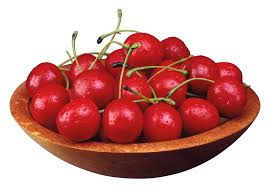
Tinker, tailor, soldier, spy…or die, if you bite into too many cherry stones. Or apricot, plum or peach pits. They contain hydrogen cyanide, which is so poisonous that a mere 0.1 grams has the potential to kill a 10 stone (150 pound) person. As a cherry pit contains around 0.17 grams of cyanide, ingesting just one or two crushed stones could kill you. The amount of cyanide per cherry stone varies, so a lethal dose could be higher than just one stone, but why take the risk?

2.Fugu (Pufferfish)

There’s a good reason why fugu (or pufferfish) is banned in the United States: it’s one of the most poisonous foods in the world. Unless it’s cooked exactly right, the puffer fish is 1,200 times more deadly than cyanide, which makes those cherry pits looks like a walk in the park.

3.Potatoes

Glycoalkaloids, also found in nightshade, can be found in the leaves, stems, and sprouts of potatoes. It can also build up in the potato if it’s left too long, especially in the light. Eating glycoalkaloids will lead to cramping, diarrhea, confused headaches, or even coma and death. It’s said that just 3 to 6 mg per kilogram of body weight could be fatal. Avoid potatoes with a greenish tinge.

4.Sannakji Choking Octopus

In Korea, rather than you choking on your food, your food might actually choke you. A Sannakji wriggling octopus can be a great treat for those who love seafood. You can pick them up in local markets in Korea, but you have to be extremely careful — these octopi are served while the animal is still moving. They have been known to attach their tentacles and suction cups around the necks of diners and choke them to death. Sometimes food gets its revenge.

5.Casu Marzu: Sardinian Maggot Cheese

Casu Marzu is a traditional Sardinian cheese that’s extra-fermented by live maggots that partially decompose the cheese. Not feeling this one? Neither is the US government. The cheese is banned for sanitary/hygienic reasons.

6.Raw Honey

Because it doesn’t go through the pasteurization process in which harmful toxins are killed, unpasteurized honey often contains grayanotoxin. That can lead to dizziness, weakness, excessive sweating, nausea, and vomiting that last for 24 hours. Typically just one tablespoon of concentrated grayanotoxin can cause the symptoms above. Consuming multiple tablespoons would be a bad idea.

7.Cashew nuts

Firstly, these are seeds, not nuts, so you’ve been misled all this time. Their shells are deadly, and have a coating of anacardic acid, which can burn your skin if handled incorrectly, as well as give you a nastily upset stomach. Additionally, cashews must be cooked or steamed before consumption, as in their raw state they contain urushiol, a chemical which is also found in poison ivy, and can be fatal if consumed in large enough amounts. So if you see cashews growing in the wild on your travels, don’t pick or eat them.

9.Hot Dogs

Not all of the foods on this list are strange and exotic. Everyone loves hot dogs. (Well, maybe strict vegetarians don’t, but you get the point.) As widespread as these little meat missiles are, they come with some risk. Hot dogs can cause asphyxiation, especially in young children, which can lead to death. You should always take small bites, and chew the heck out of your hot dogs. If you have little kids, cut those hot dogs up before serving them

10.Alfalfa Sprouts

Alfalfa sprouts, particularly raw, are an “ideal” environment for bacteria growth. Over the past two decades there have been 30 separate foodborne illness outbreaks associated with the consumption of sprouts, including Salmonella and E. coli, according to the US Department of Health & Human Services.

Hope you will take the list seriously, if you are looking for workout clothes check out our fitness and yoga leggings page.

Fitness and yoga leggings
fitness and yoga leggings