All About Calories, How To Loose Weight.

How Many Calories Should You Eat on Average?

An average woman needs to eat about 2000 calories per day to maintain, and 1500 calories to lose one pound of weight per week. An average man needs 2500 calories to maintain, and 2000 to lose one pound of weight per week.

However, this depends on numerous factors. These include age, height, current weight, activity levels, metabolic health and several others.

How to Reduce Calorie Intake Without Starving Yourself

Calories are simply a measure of energy.

It’s a known fact that in order to gain weight, more calories need to be entering your body than leaving it.

Conversely, you lose weight if more calories leave your body than enter it.

That being said, cutting calories without taking the foods you eat into account is usually not a sustainable way to lose weight.

Though it works for some people, the most end up hungry and eventually give up on their diet.

For this reason, it’s highly recommended to make a few other permanent changes to help you maintain a calorie deficit in the long term, without feeling starved.

Here are 5 evidence-based diet and lifestyle changes that have been shown to help people lose weight in numerous studies.

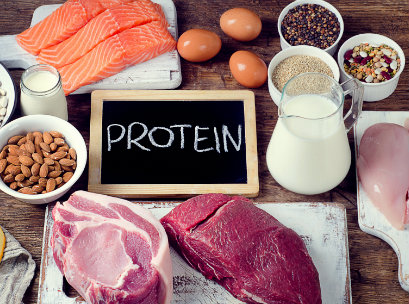
1. Eating More Protein Can Reduce Appetite, Cut Cravings and Increase the Number of Calories You Burn

2.Avoid Sugary Soft Drinks and Fruit Juices

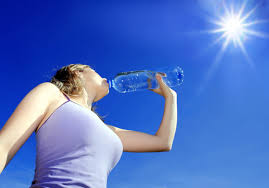
3. Drinking More Water Can Aid Weight Loss

4. Exercise and Lift Weights

5. Reduce Carbohydrate Intake, Especially Refined Carbs and Sugars

GenderAge (years)SedentarybModerately ActivecActived
Child2-31,0001,000-1,4001,000-1,400
Female4-8
9-13
14-18
19-30
31-50
51+
1,200
1,600
1,800
2,000
1,800
1,600
1,400-1,600
1,600-2,000
2,000
2,000-2,200
2,000
1,800
1,400-1,800
1,800-2,200
2,400
2,400
2,200
2,000-2,200
Male4-8
9-13
14-18
19-30
31-50
51+
1,400
1,800
2,200
2,400
2,200
2,000
1,400-1,600
1,800-2,200
2,400-2,800
2,600-2,800
2,400-2,600
2,200-2,400
1,600-2,000
2,000-2,600
2,800-3,200
3,000
2,800-3,000
2,400-2,800

Fast facts on calorie intake and use

  • Recommended calorie intake depends on factors such as age, size, height, sex, lifestyle, and overall general health.
  • Recommended daily calorie intakes in the US are around 2,500 for men and 2,000 for women.
  • Eating a big breakfast could help with weight reduction and maintenance.
  • The brain uses around 20 percent of the energy used in the human body.
  • Factors affecting ideal calorific intake include age, bone density, and muscle-fat ratio.
  • A 500-calorie meal consisting of fruits and vegetables has more health benefits and will keep you feeling full for longer than a 500-calorie snack of pop

Tips

Here are some tips for burning energy and losing weight more effectively.

calories and exercise

Counting calories is not just a matter of what we eat, but how much we burn, too.

1. Eat breakfast: A protein and healthy fat breakfast can keep you full for longer and help prevent snacking during the day.

2. Eat regular meals: This can help you burn calories more effectively and helps prevent mindless snacking.

3. Remember your “five-a-day:” Fruits and vegetables can be a tasty snack and they can bulk out your meals. They are high in nutrients and fiber and low in calories and fat.

4. Eat slow-burning calories: High-fiber carbohydrates, such as legumes, and healthy fats, such as avocado, take longer to release energy, so you will not get hungry as quickly.

5. Exercise: This can help burn off extra calories, and it can make you feel good. A brisk daily walk is easy for most people to do and costs nothing. Challenge yourself with a pedometer. For people who use a wheelchair, there are exercises that can boost heart health and strength.

6. Drink water: It is healthful, has no calories, and can fill you up. Avoid alcohol and sodas as these can easily provide far too many calories. If you crave sweet drinks, choose unsweetened fruit juices, or better still, get a juice maker.

7. Eat more fiber: Fiber, found in fruits, vegetables, and wholegrains, can help you feel full and encourage healthy digestion.

8. Check the label: Some items have hidden fats or sugars. “Ten percent less fat,” might not actually mean very much less fat, and it does not necessarily mean that you can eat more of it or that it is really more healthful. If you are counting calories, the label will help you keep track.

9. Use smaller plates: Research indicates that portion sizes have increased over the last 3 decades, and this may contribute to obesity. Using a smaller plate encourages smaller portions.

10. Slow down: Eat slowly and rest between courses or extra servings, as it can take 20 to 30 minutes for your body to realize it feels full.

11. Make a shopping list: Plan a week of healthful meals and snacks, list the ingredients you need, and when you go grocery shopping, stick to it.

12. A little of what you fancy: Banning foods can lead to cravings and bingeing. Spoil yourself occasionally with a favorite treat, but in smaller amounts.

13. Get enough sleep: Sleep loss affects the metabolism, and it has been linked to weight gain.

14. Avoid eating 2 hours before bed: Eating within 2 hours of sleeping can interfere with sleep quality and promote weight gain.

The Bottom Line

How many calories you need per day, depends on whether you want to maintain, lose or gain weight, as well as various factors such as your gender, age, height, current weight, activity levels and metabolic health.

Reducing calories does not have to mean starving yourself. A few simple diet and lifestyle changes like exercise, proper hydration and increased protein and reduced carb intake can help you lose weight and feel satisfied.

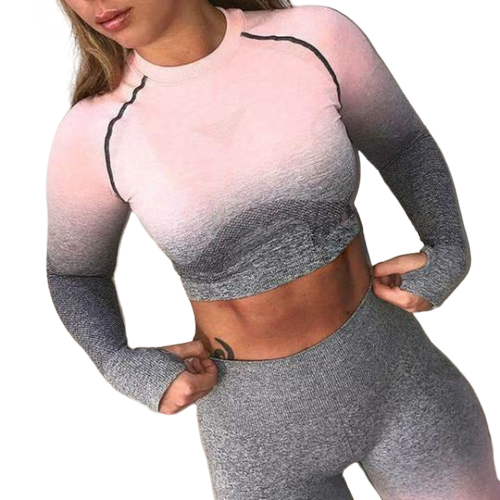
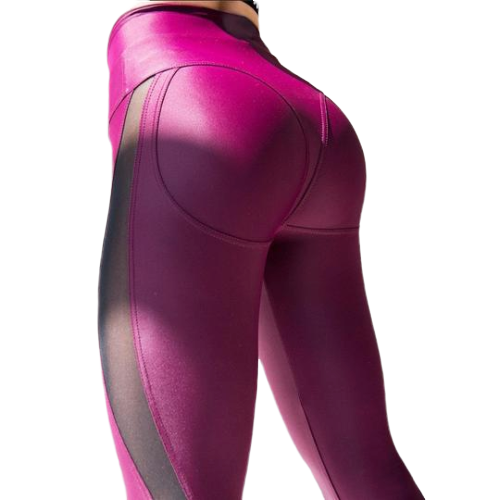
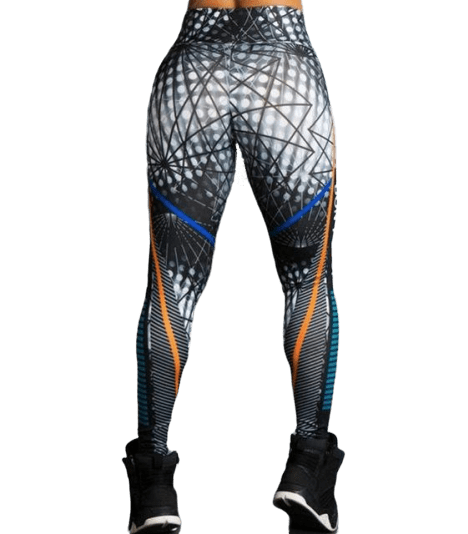
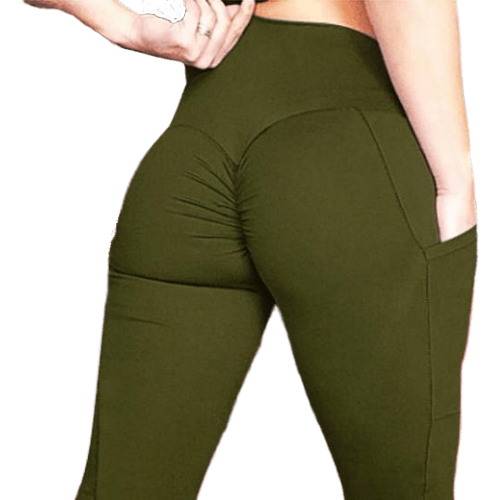
If you are looking for workout clothes check our fitness and yoga leggings page.
Sources:www.healthline.com,www.webmd.com,www.medicalnewstoday.com
workout leggings
fitness and yoga leggings

Working Out While Sick: Good or Bad?

This is very important question, bellow will answer the best way that we could.

Some experts use the “above the neck” rule to determine whether working out while sick is safe. Exercise is most likely safe when symptoms are located from the neck up.

When It’s Safe to Exercise

1.Mild Cold

A mild cold is a viral infection of the nose and throat.

Though symptoms vary from person to person, most people who have a cold experience a stuffy nose, headache, sneezing and mild cough.

If you have a mild cold, there’s no need to skip the gym if you have the energy to work out.

Although, if you feel that you lack the energy to get through your normal routine, consider reducing the intensity of your workout or shortening its duration.

While it’s generally ok to exercise with a mild cold, keep in mind that you might spread germs to others and cause them to become ill.

Practicing proper hygiene is a great way to prevent spreading your cold to others. Wash your hands frequently and cover your mouth when you sneeze or cough.

2.If you have aches and pains . . . listen to your body.

Giamo usually tells clients to try a workout, and if they start feeling bad after 15-20 minutes, then call it quits. In any workout, you’ll experience some discomfort associated with muscles being activated, but notice things like being unable to catch your breath or wheezing, as these are additional signs to stop what you’re doing.

“If you’re feeling fatigued or excessively tired, it’s better not to work out when sick,” says Dr. Ali. “Save your energy to allow for your body to feel better and recover.”

“Decide if you’re up for exercising, or would feel more comfortable reserving your energy,” offers Dr. Marcus. “Often times after resting for a few days when sick, people will realize they missed working out and will come back more determined than before.”

3.Earache

An earache is a sharp, dull or burning pain that can be located in one or both ears.

Though ear pain in children is commonly caused by infection, earache in adults is more commonly caused by pain occurring in another area, such as the throat. This pain, which is known as “referred pain,” then transfers to the ear.

Ear pain can be caused by sinus infections, sore throat, tooth infection or changes in pressure.

Working out with an earache is considered safe, as long as your sense of balance is not affected and an infection has been ruled out.

Certain types of ear infections can throw you off balance and cause fevers and other symptoms that make working out unsafe. Make sure you don’t have one of these ear infections before beginning exercise.

However, most earaches can just be uncomfortable and cause a feeling of fullness or pressure in the head.

Though exercise is likely safe when you have an earache, try to avoid exercises that put pressure on the sinus region.

4.Stuffy Nose

Having a stuffy nose can be frustrating and uncomfortable.

If it’s associated with a fever or other symptoms like a productive cough or chest congestion, you should consider taking some time off from working out.

However, it’s ok to work out if you are only experiencing some nasal congestion.

In fact, getting some exercise may help open up your nasal passages, helping you breathe better.

Ultimately, listening to your body to determine if you feel well enough to exercise with a stuffy nose is the best bet.

Modifying your workout to accommodate your energy level is another option.

Going for a brisk walk or bike ride are great ways to stay active even when you aren’t feeling up to your usual routine.

Always practice proper hygiene at the gym, especially when you have a runny nose. Wipe down equipment after you’ve used it to avoid spreading germs.

When Exercise Is Not Recommended

1.If you have a fever or the flu . . . skip the workout.

“The best advice is to not work out if your symptoms occur below the neck. This means not working out with a fever since you don’t want to increase your body temperature even further,” explains Jasmine Marcus, PT DPT. She’s right, and the so-called “neck check” is based on a study about exercising while ill.

Cunningham also recommends skipping exercise if you’re running a fever. That said, don’t assume the lack of a fever gives you the green light to work out when sick. “ Depending on what’s wrong, running outside in the cold or doing something to aggravate your immune system or make it fight harder may only set you back,” she notes. “Always consult your doctor if you have questions but never beat yourself up for taking a rest day if you don’t feel well. Listening to your body is key.”

“If you have a fever and/or the chills, it is always a good idea to rest and not work out until fully recovered,” says Ehsan Ali, MD. When your body has the flu, it’ll take three to five days for symptoms (such as chills, nausea, diarrhea and vomiting) to taper off. Do not exercise until you’re feeling better and you’ve been fever free for at least 24 hours.

2.Productive or Frequent Cough

An occasional cough is a normal response to irritants or fluids in the body’s airways, and it helps keep the body healthy.

However, more frequent episodes of coughing can be a symptom of a respiratory infection like a cold, flu or even pneumonia.

While a cough associated with a tickle in the throat isn’t a reason to skip the gym, a more persistent cough can be a sign you need to rest.

Although a dry, sporadic cough may not impair your ability to perform certain exercises, a frequent, productive cough is reason to skip a workout.

A persistent cough can make it difficult to take a deep breath, particularly when your heart rate rises during exercise. This makes you more likely to become short of breath and fatigued.

A productive cough that brings up phlegm or sputum may be a sign of infection or another medical condition that requires rest and should be treated by a doctor.

3.Stomach Bug

Illnesses that affect the digestive system, such as the stomach flu, can cause serious symptoms that make working out off-limits.

Nausea, vomiting, diarrhea, fever, stomach cramping and decreased appetite are all common symptoms associated with stomach bugs.

Diarrhea and vomiting put you at risk of dehydration, which physical activity worsen.

Feeling weak is common when you have a stomach ailment, increasing the chance of injury during a workout.

What’s more, many stomach illnesses like the stomach flu are highly contagious and can be easily spread to others.

If you are feeling restless during a stomach illness, light stretching or yoga at home are the safest options.

SUMMARYIf you are experiencing symptoms like fever, vomiting, diarrhea or a productive cough, taking time off from the gym may be the best option for both your own recovery and the safety of others.

If you are looking for workout clothes check our fitness and yoga leggings page.
Sources:www.healthline.com,www.aaptiv.com

workout leggings
fitness and yoga leggings

Top 10 Workout Headphones

Well music is big part of my workout, and i need very good headphones.

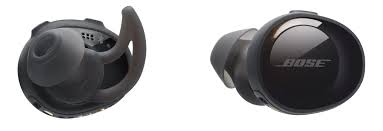
1.Bose SoundSport Free

The Bose Soundsport Free are truly wireless buds. At 1.5 inches deep and 1.25 inches wide, they do stick out of yours ears a little bit. Yes, you will look a little weird, but they sound so good that you might not care. The soft silicone rubber fins rest just outside of your ear canal, so they don’t make your ears hurt and let in just enough ambient noise to warn you when a cyclist or angry dog is approaching. Their sleek clamshell case holds enough power for two full recharges when you click them back into place. If you can overlook a barely perceptible lag while watching videos on your phone (and the staggering price tag), these might be the best workout headphones for you.

2. Jabra Elite Active 65t

The Good The Jabra Active Elite 65t are fully sweat-resistant truly wireless earphones that fit comfortably and securely. They sound excellent, perform reliably and are great for making calls, with two microphones in each earpiece. Battery life is decent at 5 hours and the included charging case delivers two extra charges. A quick-charge feature allows you to get 1.5 hours of juice from a 15-minute charge.

The Bad The relatively tight, noise-isolating fit isn’t for everyone. Motion sensor doesn’t have much use at this point.

The Bottom Line The Jabra Active Elite 65t truly wireless earphones are the best alternative to Apple’s AirPods, but the stepdown non-Elite model will save you a bit of cash.

3.Jaybird Tarah Pro

The Jaybird Tarah Pro is sweat and water resistant with an IPX7 rating, and Jaybird headphones have a great reputation for durability. Plus, the Tarah Pro has 14-hour battery life, one of the longest we’ve seen in wireless earbuds. Magnets in the earbuds allow you to wear this pair like a necklace when you need to take them out of your ears; playback automatically pauses and resumes accordingly. These earbuds don’t sound as balanced from low to high as our top pick, the Jabra Elite Active 65t. Nor are they truly wireless. But you can wear the cable either threaded over your ears or hanging down—it even swivels at the point of attachment to make the style change easier. The Tarah Pro comes with a cinch for controlling the excess cable, but even so, the excess wire slack can bounce annoyingly during workouts. And while the proprietary charging system keeps moisture out of the electronics, you’ll need to keep track of the special charging cable.

4.Plantronics Plantronics Backbeat FIT 2100

Our favorite workout headphones just got better with their 2018 update to the Plantronics BackBeat FIT. They look, sound, and function much better than the original BackBeat FIT. You can now connect the headphones to the PLT BackBeat app and choose each function for the sleek, stylish metallic earpieces. A full seven hours’ battery life means that you won’t be tapping out midway through a long run. Plantronics’ Always Aware feature lets you hear ambient noise so you don’t get mown over by a truck, and a bigger driver means bigger sound. And they’re still extremely durable and waterproof.

5. Sony WF-SP700N Wireless In-Ear Sports 

The Good Fits comfortably and securely and sounds good for truly wireless headphones. Built-in noise cancelling helps muffle ambient sound. An included charging case delivers two additional charges.

The Bad Battery life is only OK at 3 hours. It’s a little awkward to get the earbuds into their charging case. Some audio delay when using certain streaming video apps.

The Bottom Line Despite some small downsides, the Sony WF-SP700N is one of the better truly wireless headphones currently available.

6.Aukey Latitude EP-B40

The Aukey Latitude EP-B40 is the only sub-$50 pair we tested that sounded pretty good and fit comfortably while still being able to take some abuse. Silicone wings and tips keep the earbuds securely fitted. Its IPX4 rating isn’t as water-resistant as that of our other picks, but it means the Latitude won’t quit when faced with a little sweat. Magnets in the earbuds let you clip the Latitude around your neck when you aren’t using it, although the long cable can bounce annoyingly or catch as you turn your head. The battery life of eight-plus hours will get you through more than a week of hour-long workouts before you have to recharge. A two-year warranty protects against manufacturing defects.

7.JLab AudioFlex Sport

Ok, over-ear workout headphones don’t sound like the best idea. But JLab Audio’s Flex Sport have three levels of adjustable fit to stay securely on your skull. They have an unbelievable 20 hours of battery life. The cotton/polyester ear cups wick away sweat, and you can pop them and the optional headband padding into the washing machine. Be Aware Audio picks up ambient noise with the headphones’ microphone, so you can’t be taken by surprise by cyclists or taxis coming down the road. And if you enjoy well-designed stereo mixes, over-ear headphones are the best way to go.

8. JBL Endurance Sprint

The Good The JBL Endurance Sprint fits securely and comfortably and sounds very good for a modestly priced Bluetooth sports headphone. It’s also fully waterproof and has touch controls.

The Bad Touch controls can be a little finicky and there’s some presence boost in the treble.

The Bottom Line The JBL Endurance Sprint is a surprisingly good wireless sports headphone for $50, with only a few small downsides.

9.Plantronics BackBeat Fit 2100

Runners have different needs than gym folks, so we have an entire guide dedicated to running headphones. The Plantronics BackBeat Fit 2100 pair offers impressive comfort, ergonomics, and resistance to sweat, rain, and dust. The sound quality is better than that of just about any other unsealed headphones we’ve ever tested. This model takes all the best parts of its predecessors and adds customizable, easier-to-access controls, as well as better water resistance and a more secure fit. Despite being lightweight, these headphones feel sturdy and substantial. If anything does go wrong, Plantronics backs this pair with a one-year warranty in the US.

10.Sennheiser CX Sport

Sennheiser’s CX Sport showcases the brand’s top-notch sound quality in a durable, splashproof package. Once you get the proper earbud/ear fin combo for your ears, they’re very secure, comfortable, and even isolate sound nicely. For instance, I ran past a raucous barbecue with people partying and music blaring without hearing a thing thanks to these puppies. However, if your workout playlists feature a lot of booming bass, you might want to look elsewhere. And since they automatically connect to multiple devices, don’t forget to disconnect them from your laptop before you take them out on a run.

If you are looking for workout clothes check our fitness and yoga leggings page.
Sources:www.wired.com,www.cnet.com,www.thewirecutter.com

workout leggings
leather leggings

Top 10 Pros And Cons Of Personal Trainer

Should we hire personal trainer or continue rely on your knowledge.

Pros
1. A personal trainer can look at your physical condition and write a workout plan that will help you meet your specific physical fitness goals.

 If, for instance, you have been steadily exercising for years but you have seen very little muscle development, a personal trainer can help you tweak your workout to fit your fitness level and your body type, thereby ensuring that the strength of your biceps (or your triceps or your gluteus maximus or all the muscles in your whole body) are seen by everyone you know. A personal trainer can help you work out through injuries by ensuring a workout that gets your heart rate up but does not exacerbate the damage. A personal trainer can help you lose weight, develop muscle definition, or lower your BMI. Often, a personal trainer can help you do all of this and more.

2.Accountability

This is probably the primary reason people pursue a trainer. If someone makes me show up, then I have to show up! If I’m paying someone to train me, I definitely will be there! One of the biggest issues with making fitness a lifestyle versus a temporary roller coaster ride is accountability. We have created such strange aversions to working out and in some cases, have actually convinced ourselves we hate working out! I can’t wrap my head around it. Here’s the deal, our bodies were MEANT to move. Guess what else? The stories we tell ourselves over and over are what become our reality. Guess what else? No one else on this planet can tell your story for you. Shocking right? Sharing a favorite quote of mine from a well-known Crossfitter and current residency student, Julie Foucher.

“Someone told me before to listen to the story that you’re telling yourself…Because a lot of the times we make our reality by the stories that we’re telling, and you can tell any story in a positive way or in a negative way, and so it helps to stop and ask yourself, ‘OK, what is the story I’m telling myself: Is this really a reality, and how can I change this story to make it a better reality?’”

How powerful is that?! So YES, working with a trainer can help keep you accountable and create positive habits for yourself. There’s nothing negative about it.  

3. A personal trainer will watch you exercise and will be able to make sure that you are using the correct form. 

We all like to think that we are using correct form while in reality we just cannot watch ourselves exercise the way someone else can. Incorrect form can lead to, at best, a lack of results, and at worse, some very serious injuries.  

4.Everyone Starts Somewhere

This definitely overlaps with number 3 above. If you are just starting out on your workout journey, it can be challenging to know not only what to do, but how to not injure yourself and overdo it. Personal trainers are qualified and educated to get you started in the best possible way. Any fitness is better than no fitness. If you need to start with an expert, go for it.

5.Higher Intensity Workouts

This is not always the case but in most cases, I’d argue that someone standing over you, pushing you further, adding extra reps and motivating you will lead to a better workout than if you were doing this on your own. Another great pro.

Cons

6.Trainers are salespeople first, personal trainers second

There’s a reason most first-time gym goers are ferried into an introductory training session. Training is big money for gyms. Not only are the training sessions themselves profitable, gyms use their trainers to push nutritional products on clients, like protein bars and powders, which are usually heavily marked up. And many commercial gyms have their own proprietary workout accessories that are mainly sold to trainees.

As much as I hate to suggest it, I’m starting to believe that this is all a giant conspiracy. Trainers play into the business model of a gym — get as many people paying a monthly fee, but not actually using the facilities — as possible. If they really showed you how much fun working out could be via compound and Olympic lifts, you would actually use the facilities.

7.Cost

Personal trainers are often expensive, usually starting at $1/minute. Three 45 minute sessions per week could mean spending $540 per month. If you can commit to working out on your own for the majority of the week, one session per week could be enough, but if you are going to pay a personal trainer, you might as well let them do their work, which means letting them take a lot of your time and a lot of your money. You could look at this point in a different way: when something costs money, that thing becomes more valuable. Then, perhaps the cost of a personal trainer will create more accountability.

8.Lack of Self-Sufficiency

This is a biggie for me. Working out with a personal is great for all of the reasons above but it can also create a dependency. If you only work out when you have a scheduled training session, that’s not a great thing. You should be able to, eventually, get in a workout on your own accord, regardless of where you are or who you are with. This is why I mentioned above that’s it’s good for those just getting started. When you show up for a training session, you should be ready to learn as well. What can you take away from that session that you can do on your own? Also, if something changes in your life that requires you to stop seeing a trainer, it shouldn’t be a reason to stop working out!

9. Are they certified?

 Some gyms have created their trainer certifications, which may or may not comply with state and federal trainer certifications. Any trainer should be able to tell you details on their certification and prove that it is current. Finding the answers is simply a matter of a little research on your part, but you should do the research.

10.Lack of Variety

I do want to preface this by saying that not all trainers fall under this category. I am confident that there are plenty of amazing and well-rounded trainers out there. In my own personal experience, the trainers I have encountered and seen do not offer enough variety during the training sessions. In their defense, I think the people they are training are not coming often enough to really be able to take them outside their comfort zone. If you are going 1-2 times a week, they don’t have as much time and experience with you to increase your routine, weights etc.

Generally speaking, if you aren’t doing the things that really push you outside your comfort zone, then you are likely not making enough progress. If working out was easy as pie, you everyone would be doing it all the time! Challenge and struggle come along with being better. If you choose to work out with a trainer, don’t ever hesitate to tell them you are ready for the next step, harder workouts, heavier weights etc.

Looking for workout clothes check our fitness and yoga leggings page.
Sources:www.inkin.com,www.pinkfortitude.com

fitness and yoga leggings
workout leggings

Top 10 Weight Loss Tips That Are Actually Evidence-Based

So much info out there how to loose weight, but what is true and what is pure myth.

  1. Drink Water, Especially Before Meals

It is often claimed that drinking water can help with weight loss — and that’s true.Drinking water can boost metabolism by 24–30% over a period of 1–1.5 hours, helping you burn off a few more calories (1, target=”_blank”2).

One study showed that drinking a half-liter (17 ounces) of water about half an hour before meals helped dieters eat fewer calories and lose 44% more weight, compared to those who didn’t drink the water

2.Trying intermittent fasting

Intermittent fasting (IF) is a pattern of eating that involves regular short-term fasts and consuming meals within a shorter time period during the day.

Several studies have indicated that short-term intermittent fasting, which is up to 24 weeks in duration, leads to weight loss in overweight individuals.

3.Have Barley for Breakfast

“Barley is the new oatmeal,” says Jackson Blatner.

Barley got its hunger-fighting reputation after Swedish researchers found that eating barley or rye kernels for breakfast kept blood sugar on an even keel. That’s because the carbs in barley and rye kernels are “low glycemic index,” meaning they raise blood sugar more slowly than some other carbohydrate foods. This helps you avoid a spike, and then a drop, in blood sugar, which can leave you feeling famished.

One caveat: “Buy hulled barely, not pearl barley,” Jackson Blatner says. The Swedish researchers used minimally processed hull barley, and they can’t vouch for the same effects for more processed forms, such as pearl barley.

4.Try WW (Weight Watchers) Diet

Although still used to shed pounds, with a focus on living healthier, Weight Watchers is about far more than its name might indicate. Its WW Freestyle program, launched in late 2017, builds on its SmartPoints system, which assigns every food and beverage a point value, based on its nutrition. The newest program expands dietary options that are 0 points from only fruits and vegetables to more than 200 foods. A backbone of the plan is multi-model access (via in-person meetings, online chat or phone) to support from people who lost weight using Weight Watchers, kept it off and have been trained in behavioral weight management techniques.

5.Eat Less Refined Carbs

Refined carbohydrates include sugar and grains that have been stripped of their fibrous, nutritious parts. These include white bread and pasta.

Studies show that refined carbs can spike blood sugar rapidly, leading to hunger, cravings and increased food intake a few hours later. Eating refined carbs is strongly linked to obesity.

If you’re going to eat carbs, make sure to eat them with their natural fiber.

6.Eating protein for breakfast

Protein can regulate appetite hormones to help people feel full. This is mostly due to a decrease in the hunger hormone ghrelin and a rise in the satiety hormones peptide YY, GLP-1, and cholecystokinin.

Research on young adults has also demonstrated that the hormonal effects of eating a high-protein breakfast can last for several hours.

Good choices for a high-protein breakfast include eggs, oats, nut and seed butters, quinoa porridge, sardines, and chia seed pudding.

7.Stock Up on Frozen Vegetables

Sure, fresh vegetables are delicious and nutritious. But faced with the need to scrape a carrot, wash and slice a zucchini, or cut broccoli into florets, many of us say, “Too much trouble!” and reach for chips instead.

To make things easier, stock your freezer with frozen vegetables, Blake tells dieters.

8.Use Smaller Plates

Using smaller plates has been shown to help some people automatically eat fewer calories.

However, the plate-size effect doesn’t appear to affect everyone. Those who are overweight seem to be more affected.

9.Eating plenty of fiber

Dietary fiber describes plant-based carbohydrates that it is not possible to digest in the small intestine, unlike sugar and starch. Including plenty of fiber in the diet can increase the feeling of fullness, potentially leading to weight loss.

Fiber-rich foods include:

  • whole-grain breakfast cereals, whole-wheat pasta, whole-grain bread, oats, barley, and rye
  • fruit and vegetables
  • peas, beans, and pulses
  • nuts and seeds

10.Turn Down the Thermostat

Spending time in a chilly house — about 61 degrees Fahrenheit — may boost the fat-burning power of the “brown fat” in your body.

Brown fat is considered “good” fat, as opposed to regular or white fat, which stores calories and tends to accumulate. Researchers believe that lean people have more of the brown type of fat, and that the amount of brown fat a person has declines with age.

Scandinavian researchers found that exposure to these chilly temperatures boosted the metabolic rate of brown fat 15-fold, helping burn more calories.

But Jackson Blatner cautions not to expect too much: “It’s not going to be any kind of a miracle,” she says. And beware if you’re the type who eats more when you feel cold.

If you are looking for workout clothes check our fitness and yoga leggings page.
Sources:www.healthline.com,www.medicalnewstoday.com,www.webmd.com

fitness and yoga leggings
workout leggings

Top 10 Bad Habits That Lead to Weight Gain

Let’s be honest 90% people can blame only they’r self for weight gain. But what are the most often habits that leads to weight gain

1.Genetics

Obesity has a strong genetic component. Children of obese parents are much more likely to become obese than children of lean parents.

That doesn’t mean that obesity is completely predetermined. What you eat can have a major effect on which genes are expressed and which are not.

Non-industrialized societies rapidly become obese when they start eating a typical Western diet. Their genes didn’t change, but the environment and the signals they sent to their genes did.

Put simply, genetic components do affect your susceptibility to gaining weight. Studies on identical twins demonstrate this very well.

2.Ageing

People begin to lose modest amounts of muscle as they get older, largely because they become less active. Muscles are an efficient calorie burner, so a loss of muscle mass can mean you burn fewer calories. If you’re eating and drinking the same amount as you always have and are less physically active, this can lead to weight gain. “To reduce muscle loss, you should stay active and try to do regular muscle-strengthening exercises,” says Collins.

3. Eating amnesia.

Very often, this condition is TV-induced. “Your hand is stuck in the bag, and you don’t realize what or how much you’re eating,” Zelman says. “That big ol’ bag of chips can disappear pretty fast.”

4.Engineered Junk Foods

Heavily processed foods are often little more than refined ingredients mixed with additives.These products are designed to be cheap, last long on the shelf and taste so incredibly good that they are hard to resist.By making foods as tasty as possible, food manufacturers are trying to increase sales. But they also promote overeating.

Most processed foods today don’t resemble whole foods at all. These are highly engineered products, designed to get people hooked.

5.Stress and low mood

People respond differently to stress, anxiety and depressed mood. Some people may lose weight, while others may gain weight. “People can turn to food as a coping mechanism,” says Collins. “It can lead to a vicious circle. Weight gain from depression can make you more depressed, which can lead to further weight gain. If you know you’re an emotional eater, you need to find other forms of distraction, such as exercise or a hobby, calling a friend, going for a walk or having a soothing bath.”

6. Starvation-mode shopping.

Face it, grocery stores and extreme hunger just don’t mix. You end up buying the first quick-fix item you see. Slow down. Eat a little something — something healthy — before grocery shopping. Suggestion: Get a sandwich on your way to the grocery store — grilled chicken breast, that is. “Then you won’t be so hungry, so tempted,” says Zelman. Also, shop with a grocery list and stick to it.

7.Food Addiction

Many sugar-sweetened, high-fat junk foods stimulate the reward centers in your brain.

In fact, these foods are often compared to commonly abused drugs like alcohol, cocaine, nicotine and cannabis.

Junk foods can cause addiction in susceptible individuals. These people lose control over their eating behavior, similar to people struggling with alcohol addiction losing control over their drinking behavior.

Addiction is a complex issue that can be very difficult to overcome. When you become addicted to something, you lose your freedom of choice and the biochemistry in your brain starts calling the shots for you.

8.Tiredness

Some studies have shown that people who sleep less than seven hours a day are more likely to be overweight than those who get nine hours of sleep or more. It’s not clear why, but one theory is that sleep-deprived people have reduced levels of leptin, the chemical that makes you feel full, and higher levels of ghrelin, the hunger-stimulating hormone.

“If you’re always feeling tired, you are more likely to reach for high-calorie snacks to keep your energy levels up throughout the day and do less physical activity, which means you burn fewer calories,” says Collins.

9. Drinking without thinking.

Beer, alcohol, wine, soft drinks — they all go down easy. But the calories can really add up. “Save your liquid calories for when you really want them,” says Zelman.

10.Misinformation

People all over the world are being misinformed about health and nutrition.

There are many reasons for this, but the problem largely depends on where people get their information from.Many websites, for example, spread inaccurate or even incorrect information about health and nutrition.

Some news outlets also oversimplify or misinterpret the results of scientific studies and the results are frequently taken out of context.Other information may simply be outdated or based on theories that have never been fully proven.

Food companies also play a role. Some promote products, such as weight loss supplements, that do not work.Weight loss strategies based on false information can hold back your progress. It’s important to choose your sources well.

If you are looking for workout clothes check our fitness and yoga leggings page.
Sources:www.healthline.com,www.nhs.uk,www.webmd.com

fitness and yoga leggings
workout leggings

Supplements Vs Real Food

This question is very important, bellow will give you some variants, hope will enjoy this.

1.Protein powders

Protein powder comes in lots of different forms and flavours to suit what you need, there are of course pros and cons of taking these though:

Pros

Protein powders are a really quick source of protein and provide a quick digesting hit that you can take anywhere with you.

A big positive I find in taking these is that depending on the supplement company you use – they can actually be cheaper than eating whole foods.

Another slightly strange positive for me is that they come in sweet flavours which I find helps me when I am eating clean because you don’t get to eat the food they are modelled on. Protein powders also require next to no preparation which saves a lot of time.

Cons

The biggest downside to supplements is that they aren’t real food. By this I mean you don’t get all of the nutrients and other vitamins that you get from actual food.

When you eat, for example, beef, you get around 25g of protein per 100g serving which is roughly similar to that of most protein powders.

However, you also get plenty of vitamin B12, Zinc and Iron along with Creatine, all things you don’t get from protein powders. As another benefit, food is filling! It fills your stomach for longer which means you will feel you have more energy and will be able to perform better.

Which is better?

In my opinion, I will choose food over supplements for my protein intake every time, but that doesn’t mean I don’t use them.

I think they are very useful as long as you use them sensibly and don’t neglect whole foods as the main bulk of your protein intake.

In simple terms, food is better but supplements are helpful!

2.Vitamin And Mineral Supplements

Vitamins and minerals supplements can give you the vitamins and minerals needed by your body to support a variety of functions.

Pros:

  • These supplements can help you maintain optimal health, especially if your food consumption is low.
  • They can improve a wide range of bodily functions and help maintain your mental health.
  • They decrease your risk of vitamin deficiency.
  • They help you digest much better.
  • They allow a person to get a regular daily intake of essential vitamins, which is especially important for children.

Cons:

  • Excessive vitamins and minerals can have an adverse effect on a person’s overall health.
  • Fat-soluble vitamins, for instance, can be contained in your tissue, especially if you take more of them than you need.
  • Excess vitamin A can cause congenital disabilities and liver problems.
  • Too many minerals, such as calcium, selenium, magnesium, iron, and zinc, are dangerous for the health as they can led to toxicity. Excess iron, for instance, can cause digestive complications, while excess calcium might increase your risk of forming kidney stones.

3.Creatine

Creatine is an amazing supplement – easy to take, relatively cheap, brings on some amazing improvements to your body and your overall performance, but is the 5g you should have a day better from food or powder?

Pros

Taking Creatine is super simple. Usually, to get your 5g it can either be one small scoop of powder.

Or to make it even simpler most pre-workout supplements have your daily intake of Creatine already put into them.

For me though the biggest advantage of taking Creatine as a supplement is because of how much food you need to eat to get your 5g, here’s a rundown:

  • Pork = 5g per Kilo
  • Red meat = 4.5g per Kilo
  • Herring = 6.5g per Kilo
  • Salmon = 4.5g per Kilo
  • Tuna = 4g per Kilo
  • Cod = 3g per Kilo

So as you can see you need to eat a LOT of food to get that Creatine intake from food alone.

Cons

As with everything on this list a supplement doesn’t carry the nutrients of real food, but in this situation, the amount of food you would need to eat may mean it isn’t realistic!

I think though the biggest con for people is some of the negative impacts it can have.

The biggest thing to remember with Creatine is it makes you hold more water, which in turns means you put on weight (I tend to put on about 1.5 kilos in the space of two weeks when I start Creatine).

Another thing it’s known for is making you feel and appear bloated (this isn’t for everyone, however) but this should clear once you stop taking it.

On that subject, when you stop taking it – it usually states on the supplement to cycle Creatine but I don’t believe it’s necessary – you tend to lose all of the water weight very quickly and it can make your muscles look flat.

Which is better?

As with everything here, food is always going to contain more nutrients and other benefits than just taking a small scoop of powder every morning, in this case.

However, I will hold my hands up and say I would prefer to take the powder instead of eating a kilo of Herring every day!

My advice, choose a supplement which allows you to take in 3g Creatine per serving instead of the full 5g, then your daily protein intake should allow you to get the additional 2g you need. Best of both worlds really.

4. Calorie Supplements

Calorie supplements, also called weight gainers, are notable for their benefits of giving a person the ability to increase his lean muscle mass and increase the strength of his muscles as well. These are the supplements commonly used by most bodybuilders to help them build their great physiques. Although these products are proven to be effective, they are not without side effects.

Pros:

  • These supplements can help a person gain muscle mass quickly. They contain a high amount of carbs and proteins that are essential to gaining weight. These supplements contain low amounts of fat so you can rest assured that your weight gain is muscle instead of fat.
  • They also contain amino acids that help you acquire lean muscle mass. Calorie supplements contain arginine, which helps the body produce more nitric oxide, which improves the flow of blood to growing muscles.
  • These supplements can also give a person energy and stamina to last him through all his training and workouts.

Cons:

  • One common side effect of using these supplements is insomnia. These supplements contain caffeine to give you energy.
  • Too much caffeine, however, can keep you up all night.
  • These supplements are also shown to cause damage to the kidneys, especially after long-term use.

5.Omega 3/fish oil tablets vs Food

Omega 3 and 6 fatty acids are not produced naturally by the body so you must get them in another form, supplements are by far the easiest way to get these into your daily diet.

There isn’t a set guideline on how much you should consume on a daily basis but as a general guideline, the average person needs around 500mg per day.

Pros

Despite the fact that this supplement is commonly known with keeping the elderly mobile it also is fantastic for athletic performance, as it is one of the healthy fats it has great fat burning qualities to keep you leaner.

Along with other benefits like healthier hair, skin, brain, heart and joints – basically, it’s pretty good stuff!

Most supplements contain between 500mg – 1000mg a day so you get your whole allowance in one instant hit.

Cons

It isn’t fish (or seeds, or nuts, or really any other fatty foods).

You can actually get around 500mg of omega 3 and 6 fatty acids per 100g of oily fish like mackerel, not only do you get the fatty acids but plenty of protein as well.

Other foods you get plenty of omegas from are:

  • Pork = 5g per Kilo
  • Red meat = 4.5g per Kilo
  • Herring = 6.5g per Kilo
  • Salmon = 4.5g per Kilo
  • Tuna = 4g per Kilo
  • Cod = 3g per Kilo

All of these foods will help to build up to your daily intake but you will get plenty of other nutrients with these as well.

Which is better?

If you are eating plenty of oily fish and other foods listed above I would imagine you are getting your daily intake of Omega 3 and 6 so don’t need the supplement, but if you’re like me and don’t eat these foods every day then the supplement is a good idea.

The biggest thing to remember is that diets rich in omega 3 fatty acids have been shown to help to reduce inflammation and lower blood pressure, all of which will keep you healthier for longer, and isn’t that the aim with it all?

To Sum Up

The biggest thing to remember with dietary supplements is that they are just that, there to supplement your daily diet.

If your diet sucks, no amount of supplements is going to give you the results you want. Focus on real food as much as you can, then use supplements to fill in the gaps.

If you are looking for workout clothes check out out fitness and yoga leggings page.
Sources:www.musclefood.com,www.organic4greenlivings.com

fitness and yoga legggings
workout suit leggings

10 Reasons You Should Never Stop Wearing Leggings

Leggings (compression pants) have so many benefits and they are beautiful.

1.Reduced Muscle Fatigue

workout suit

Purchasing compression shorts, and wearing them during workouts, helps improve athletic performance by reducing fatigue. UPMC Health Beat says that wearing compression shorts helps reduce muscle soreness and fatigue during and after workouts, resulting in better, faster and longer runs without feeling quite as tired when you wear compression garments. This is an excellent reason to try a pair!

2.Warmth

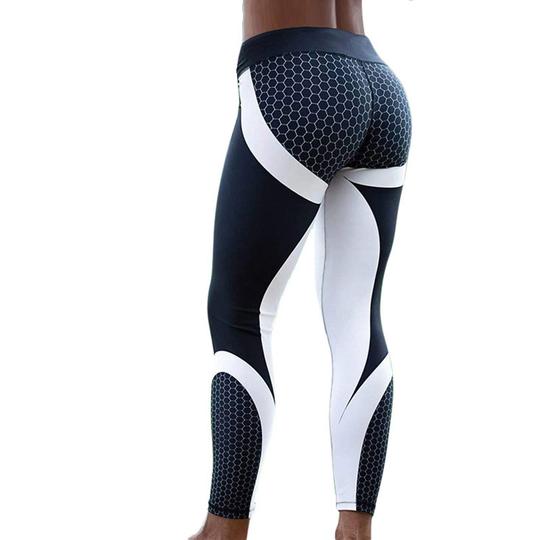
honeycomb leggings

One of the most obvious benefits of opting for tights over shorts or even sweatpants is the warmth they offer during the colder months. While it’s true that you need extra warmth for winter running, you also don’t want to be weighted down or get too hot during your run. Tights offer extra warmth from the length and, if constructed from a performance fabric, can help wick sweat away from skin so you stay warm — but not too warm — to continue training through temperatures under 40 degrees Fahrenheit, suggests The Competitive Runner.

3.FIT AND COMFORT

push up leggings

The slim fit of tights provides the obvious yet crucial benefit of not riding up during a run. In addition, the tightness will eliminate friction that baggier clothing can cause against your skin. While the concept may seem restricting, tights are made of stretch fabrics — polyester and spandex, for instance — that allow flexibility and freedom of movement. Contoured waistbands can ensure both comfort and a flattering look, and many ASICS tights also feature flatlock seaming, meaning the seams are flat and therefore more comfortable.

4.Strain Prevention

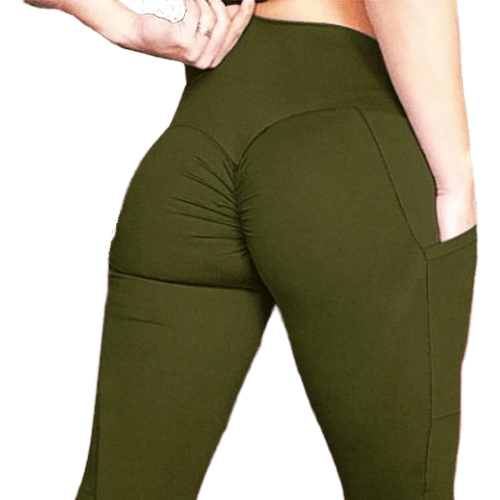
leggings with pockets

Believe it or not, compression shorts also help reduce your risk for strains. Additionally, Healthline says compression garments even aids in strain recovery. So if you’re prone to this type of sports-related injury, compression shorts may be right up your alley.

5.Protection

men leggings

Even if it’s not too cold out, running tights can pull double duty by protecting the skin on your legs from the elements. Whether it’s the hot sun or whipping wind, an extra layer on your legs gives you more protection. Because avid runners hit the pavement no matter what the weather, tights are an ideal way to protect skin without having to compromise on gear

6.PERFORMANCE

top selling leggings

Some tights even double as compression gear. Compression in general can have a wide range of positive effects on performance, including improved recovery and increased muscle efficiency.

A number of our running tights also have elastic panels for muscular support, using COREBALANCE® technology to compress leg and lower back muscles in specific areas.

Running tights also offer an aerodynamic advantage for runners looking to reduce wind resistance and increase speed. In 1986, a study by the journal of Medicine and Science in Sports and Exercise found that runners who wore tights or minimized exposed hair were able to decrease wind resistance by two percent. This might not seem like much, but that’s 5.7 seconds over the course of a marathon.

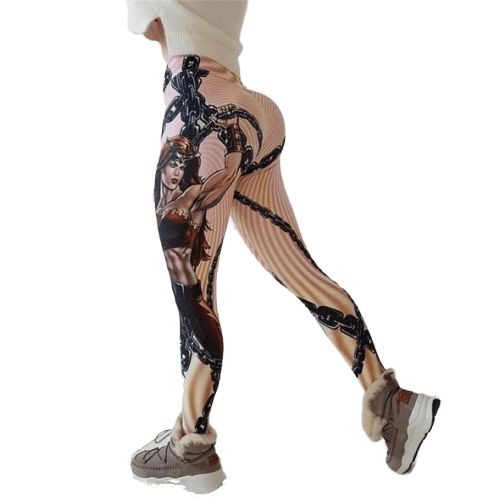
7.Increased Power & Better Jumping Ability

art leggings

Want more power during and after workouts, and better jumping ability? Compression tights may help improve jumping performance in athletes after endurance events. According to Runner’s World, compression gear makes it easier to regain maximum jumping ability post-workout, which is a bonus when you’re looking to get back on the track, field, or court after an intense workout.

8.Better Recovery After Strenuous Exercise

squat leggings

Recovering from strenuous exercise can be a lengthy process and muscle soreness is more likely to occur when you’re new to intense training sessions. Luckily, compression shorts can aid in muscle recovery after strenuous workouts. Pressure (compression) garments may have greater advantages to improve recovery following an exercise bout, says Human Kinetics.

9.Groin Support

motivation leggings

Need a little extra groin support, or need a sturdy place to hold a cup)? Compression shorts with cup pockets are for just this purpose. Theyprovide a convenient, comfortable way to protect sensitive body parts while you train or compete. Shorts with cup pockets are perfect for baseball and football players who need extra protection, but don’t want to sacrifice comfort.

10.Better Muscle Oxygenation

men leggings

Your muscles need oxygen to function properly during workouts. Compression garments are designed to increase the amount of oxygen that they recieve, according to a publication by Research Gate. Compression are designed to promote blood flow and improve oxygenation of muscle tissue, which can enhance athletic performance during short bouts of exercise.

If you are looking for workout clothes check our fitness and yoga leggings page.
Sources:www.mcdavidusa.com,www.secretdesires.in,www.asics.com

fitness and yoga leggings
workout leggings

Top 10 Fitness Alternatives To Get in Shape

If you hate the gym but want to get in shape this article is for you.

1.Go For a Swim

If you don’t like the gym due to your distaste for humanity, you may not like swimming in a public pool much, either.

But if you don’t have access to a private pool and don’t mind the prospect of getting elbowed by teens doing water tricks, going for a half-hour swim a few days a week will burn 207 calories a pop, as well as tone and strengthen your muscles and give you the opportunity to 

Water is twelve times denser than air, which means that propelling yourself through it provides consistent resistance, safely working your muscles to strengthen and tone them. Swimming has also been shown to increase bone strength in post-menopausal women, making this workout great for helping to prevent osteoporosis.

After your swim, do some yoga positions while you’re still in the pool. The water helps support your weight as you master positions that require good balance, such as Eagle, Tree, King Dancer and Warrior III poses.Shop Fitness ProductsSports & Fitness

2. Look Silly, Feel Great

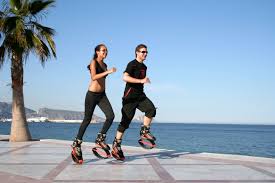
If you’re not self-conscious about exercising, Kangoo Jump shoes will spice up your typical workout. The funny-looking shoes actually add gravitational force to your body — they double the resistance of your aerobics while wearing them. Originally designed as a way to relieve the stress on runners’ joints, they reduce joint stress while still making you work up a sweat.

3.Outdoor fitness

Ideal for anyone who hates to exercise alone, these outdoor bootcamps and fitness are group focussed, with emphasis on cardio and resistance exercises to target all of the major muscle groups. They strive to make the sessions fun and varied (and suitable for all abilities), and there are held at a range of locations around Leeds, including Kirkstall Abbey, Temple Newsam and Roundhay Park.

4.Hula Hoop

Hula hoops are cheap and fun, and hooping is an enjoyable workout for your whole body.

Better yet, just 30 minutes of hooping burns 216 calories.

And if you’re up for a challenge, you can learn all sorts of neat tricks to entertain party guests.

Start with the classic hula hoop move. Put the hoop around your waist, start it rotating with your hands, then let your hips do the work.

Move your hips from side to side as if you’re doing The Bump. Do this move as long as you can, starting the hoop up again as soon as you mess up.

Next, stand with your feet staggered, one slightly in front of the other. Start the hoop and keep it going by rocking back and forth on your feet, thrusting your pelvis out and back, out and back. Keep your abs engaged while you move. Again, do this move for as long as you can, and start the hoop right back up if you lose momentum.

5. Bounce To A New You

If you thought you outgrew trampolines, think again. Mini-trampolines — known as rebounders– are taking fitness by a storm. Trampolines provide an intensive workout that you can do at home or in the gym. They’re a fun way to get your cardio in without it feeling like a chore. Keeping steady while busting a move will tighten your abs and improve leg power and strength — without increasing pressure on your joints.

6.Aerial Yoga

This unique approach to traditional yoga uses low hanging fabrics to support the weight of the body through a variety of postures, relieving pressure on the joints and offering much deeper stretches to improve both strength and flexibility.

7.Perform Intervals

If you enjoy jogging, you can get a much more effective workout by doing intervals.

Instead of going for a half-hour jog, which burns 238 calories, interval training will bump up your calorie burn to 356 calories in just 32 minutes.

Warm up with a moderately fast walk for five minutes, and then start your intervals.

The first interval is a one-minute all-out run that should make you feel like you’re going to die, followed by a two-minute slow jog that feels like heaven and gives you a chance to catch your breath. Repeat the interval seven times, and then walk to cool down for three minutes.

8. Dance Yourself Thin

Whether you’re the first one on the dance floor or an uncoordinated wallflower, salsa dancing has something to offer. The seductive dance is cardio-heavy, and an hour of dancing will torch around 600 calories. The more you practice, the more confident you’ll get. And if you’ve been looking for something to do with your partner, it’s a great workout for couples — or, if you’re single, to find a new partner.

9. British Military Fitness

It may sound intimidating but these military fitness classes are designed to cater for all abilities. Held at various parks around Leeds, the sessions incorporate cardio, strength and teamwork activities, and are run by serving or former members of the armed forces who will help to keep you motivated and on track.

10.Run Stairs

For some, running up and down stairs is nothing short of torture.

For others, the delicious burn in the glutes and legs is a sure sign that a slimmer body and toned muscles are right around the corner.

If you enjoy the challenge of running stairs, you can burn a whopping 422 calories in a half hour, as well as tone the heck out of your butt.

You can run stairs anywhere: The local stadium, the park, your office building and the steps that lead to the courthouse are all fair game.

Proper technique is extremely important when you’re running up and down stairs in order to protect your knees and joints from pain and injury.

Push off from your toes rather than your heels, and keep your movements controlled to avoid falling. Pump your arms to help propel you and maintain good balance.

If you are looking for workout clothes check our fitness and yoga leggings page.
Sources: http://www.workoutplan.com, http://www.huffingtonpost.com, http://www.yorkshireeveningpost.co.uk

fitness and yoga leggings
workout leggings

Top 10 Inspiring Movies To Help You Get Fit

We all need motivation to start working out, sometimes good movie can inspire us to lift up our butts and do something.

  1. Pumping Iron

This documentary from 1977 introduced many Americans to both the sport of bodybuilding and its best athlete, one Arnold Schwarzenegger. So in addition to being a great film about fitness, we also have it to thank for The TerminatorConan the Barbarian, and Total Recall. (Also, Jingle All the Way and his “Governator” years, but still …)

2. Hoosiers


Set in a time before Nike, Hoosiers is the classic underdog story of a scrappy basketball team from small-town Indiana that makes it to the state championship. Watching Gene Hackman yell out the “picket fence” play to the team is the emotional equivalent of a post-game high five. 
Make it a double-feature: Hoop Dreams
Take it off the couch: Every baller needs to work on their jumping skills. Get the power to drive down the lane and spring into the air by following these foolproof pointers for increasing your vertical jump.

3.Pain & Gain

Marky Mark and the Rock star as gym rats who plot to kidnap an unscrupulous businessman played by Tony Shalhoub. What’s not to love? This story is a great takedown of the “bro subculture” of guys who value brawn more than brains. 

4. Rocky

Sly Stallone tried five times, but he never topped (and never will top) the original Rocky. The Best Picture Oscar winner from 1978 contains some of the most inspiring training scenes ever committed to film. Just watch Rock go!

5. Remember the Titans


Football movies are plentiful and range in quality, but Titans gets our vote for pure inspiration. Consider the ingredients: A dash of Denzel Washington, a splash of historical setting, a heap of underdog scrappiness. Mix them together and you’ll get this uplifting Disney movie. Result: the best pep rally ever.
Make it a double-feature: The Blind Side
Take it off the couch: Do a halftime hustle. Instead of stuffing your face during halftime (or looking at kittens) get off your duff and do this routine (warning: jump squats). Then claim some healthier victory nachos.

6.The (original) Karate Kid

Wax on, wax off. Paint the fence. Training balance while standing on the bow of a rowboat. It could be argued that Pat Morita as karate instructor Mr. Miyagi was one of the original trainers to feature movement-based training as a key component of his workout regimen. Eighties heart throb Ralph Macchio portrays underdog Daniel who is training to compete in a karate tournament. “No bad student, only bad teacher. Teacher say, student do,” is one of Mr. Miyagi’s most memorable quotes, and one that is applicable to any fitness effort. 

7. Warrior


Tom Hardy goes beast mode in this great MMA film from a few years ago. He doesn’t say much as he prepares to go toe-to-toe with his brother in the finals of a major tournament, but looks physically capable of tearing someone’s head off. 

8. 300

This over-the-top violent movie put Gerard Butler on the map, but if you don’t want to go hit the gym after watching the Spartans in action then you don’t have a soul. 
One of our most popular workouts ever is inspired from this blockbuster about the 300 Spartan men who went to war against thousands of Persians. (Try the workout for yourself.) It’s the film that made Gerard Butler (and more notably, Gerard Butler’s abs) a star.

9.Step-up

Yes, I have seen this movie because of my wife (that’s my story and I’m sticking to it), but we can’t have a list of top fitness movies without including Channing Tatum. In this movie, he’s a ne’er-do-well teen who turns to dancing in an effort to fit in and turn his life around. The soundtrack and dancing scenes will make you want to push the coffee table out of the way and boogie in your living room

10.Fight Club, Snatch and Troy

It was hard to decide which Brad Pitt movie was most worthy of recognition on this list—hence, the three-way tie. Whether it’s as Mickey, the bare knuckle-fighting Irish gypsy in Snatch; Tyler Durden, the scrappy anti-hero in Fight Club; or the warrior Achilles in Troy, each role featured Pitt’s physical prowess. Guys like these movies for the action, while women like these movies because of Brad. Regardless of your reason for watching, these films have the power to boost your motivation for training.

If you are looking for workout clothes check our fitness and yoga leggings page. Sources: http://www.menshealth.com, http://www.greatist.com, http://www.acefitness.org

fitness and yoga leggings
workout leggings