Christian Bale’s name is often the first brought up when discussing a major body transformation. For 2004’s The Machinist, Bale went from 180 to 120 pounds to embody the titular character, saying of his method to achieve the emaciated look: “I came up with the absolutely brilliant method of just smoking cigarettes and drinking whiskey to lose weight.”
A year later, Bale would weigh in at 220 pounds to take on the role of Batman in Batman Begins. The yo-yo weight loss and weight gain would continue as rail-thin drug addict Dicky Ecklund in The Fighter, and again in American Hustle where he engorged himself on doughnuts and cheeseburgers to make his 228 pound frame appear dough-like.
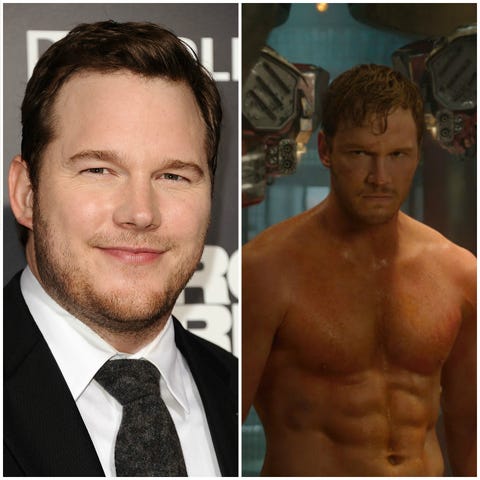
2. Chris Pratt
The Parks & Rec star was at his heaviest weight ever when he was given the chance to star in Marvel’s Guardians of the Galaxy. His immediate cry? “Honey, I need to lose 75 pounds! Stop baking!” Once Anna Faris, his wife, put down the mixing bowl and he gave up, as he puts it, “fun” and hit the gym, he emerged looking, well, like an action hero capable of outrunning alien hitmen and dinosaurs.
3. Khloe Kardashian
After showing off her hard work all over Instagram, Khloe Kardashian finally got her own fitness-based reality show, Revenge Body with Khloe Kardashian, where we get a glimpse into just what goes into getting an insanely toned bod like hers. Ditching dairy and hitting the gym twice a day are just a couple things that helped her drop 40 pounds.
4.Matthew McConaughey and Jared Leto in Dallas Buyers Club
McConaughey lost 47 pounds, while Leto lost between 30-40 pounds and was left with a 114-pound frame. Besides the physical changes to their bodies, each noticed a change in behavior as well.
“The surprise was how the energy that I lost from the neck down transferred to the neck up,” McConaughey said. “I became clinically aware, almost hyper, I needed three hours less sleep a night. I had an amazing amount of energy from the head up. That was something I didn’t know was going to happen.”
“It changes the way you walk, the way you sit, the way you think,” Leto added.
5. Dwayne Johnson
The Rock has always been in pretty decent shape, playing American football in college before taking up a wrestling career. But the modern Rock is an entirely different and much more massive beast. We’re still a little surprised that his 2015 summer hit San Andreas didn’t just feature him punching the planet into submission.
6. Oprah Winfrey
The secret to Winfrey’s 40 pound weight loss? Balance, eating plenty of fruits and vegetables, and “sexy breakfasts.” Whaaaaat?
7. Gerard Butler
The cast of 300 were the first to experience the brutal training regime imposed by Gym Jones founder Mark Twight, one that saw at least one person throw up from exertion every day. Butler then did extra weight training on top of that to ensure that his King Leonidas would be bigger and more impressive than his warriors.
8. Kirstie Alley
After losing weight and gaining it all back, Kirstie Alley lost 100 pounds in a year and maintained it by staying away from crash dieting and focusing on a balanced nutrition plan instead.
9. 50 Cent
Naturally bulky rapper 50 Cent lost 54lbs for his role as a football player who was diagnosed with cancer.
10. Melissa McCarthy
Melissa McCarthy’s has a surprising secret behind her 50 pound weight loss: living a “super boring life.” Sounds pretty easy to us.
If you are looking for workout clothes check our fitness and yoga leggings page. Sources:www.highsnobiety.com,www.digitalspy.com,www.delish.com
So much info out there how to loose weight, but what is true and what is pure myth.
Drink Water, Especially Before Meals
It is often claimed that drinking water can help with weight loss — and that’s true.Drinking water can boost metabolism by 24–30% over a period of 1–1.5 hours, helping you burn off a few more calories (1, target=”_blank”2).
One study showed that drinking a half-liter (17 ounces) of water about half an hour before meals helped dieters eat fewer calories and lose 44% more weight, compared to those who didn’t drink the water
2.Trying intermittent fasting
Intermittent fasting (IF) is a pattern of eating that involves regular short-term fasts and consuming meals within a shorter time period during the day.
Several studies have indicated that short-term intermittent fasting, which is up to 24 weeks in duration, leads to weight loss in overweight individuals.
3.Have Barley for Breakfast
“Barley is the new oatmeal,” says Jackson Blatner.
Barley got its hunger-fighting reputation after Swedish researchers found that eating barley or rye kernels for breakfast kept blood sugar on an even keel. That’s because the carbs in barley and rye kernels are “low glycemic index,” meaning they raise blood sugar more slowly than some other carbohydrate foods. This helps you avoid a spike, and then a drop, in blood sugar, which can leave you feeling famished.
One caveat: “Buy hulled barely, not pearl barley,” Jackson Blatner says. The Swedish researchers used minimally processed hull barley, and they can’t vouch for the same effects for more processed forms, such as pearl barley.
4.Try WW (Weight Watchers) Diet
Although still used to shed pounds, with a focus on living healthier, Weight Watchers is about far more than its name might indicate. Its WW Freestyle program, launched in late 2017, builds on its SmartPoints system, which assigns every food and beverage a point value, based on its nutrition. The newest program expands dietary options that are 0 points from only fruits and vegetables to more than 200 foods. A backbone of the plan is multi-model access (via in-person meetings, online chat or phone) to support from people who lost weight using Weight Watchers, kept it off and have been trained in behavioral weight management techniques.
5.Eat Less Refined Carbs
Refined carbohydrates include sugar and grains that have been stripped of their fibrous, nutritious parts. These include white bread and pasta.
Studies show that refined carbs can spike blood sugar rapidly, leading to hunger, cravings and increased food intake a few hours later. Eating refined carbs is strongly linked to obesity.
If you’re going to eat carbs, make sure to eat them with their natural fiber.
6.Eating protein for breakfast
Protein can regulate appetite hormones to help people feel full. This is mostly due to a decrease in the hunger hormone ghrelin and a rise in the satiety hormones peptide YY, GLP-1, and cholecystokinin.
Research on young adults has also demonstrated that the hormonal effects of eating a high-protein breakfast can last for several hours.
Good choices for a high-protein breakfast include eggs, oats, nut and seed butters, quinoa porridge, sardines, and chia seed pudding.
7.Stock Up on Frozen Vegetables
Sure, fresh vegetables are delicious and nutritious. But faced with the need to scrape a carrot, wash and slice a zucchini, or cut broccoli into florets, many of us say, “Too much trouble!” and reach for chips instead.
To make things easier, stock your freezer with frozen vegetables, Blake tells dieters.
8.Use Smaller Plates
Using smaller plates has been shown to help some people automatically eat fewer calories.
However, the plate-size effect doesn’t appear to affect everyone. Those who are overweight seem to be more affected.
9.Eating plenty of fiber
Dietary fiber describes plant-based carbohydrates that it is not possible to digest in the small intestine, unlike sugar and starch. Including plenty of fiber in the diet can increase the feeling of fullness, potentially leading to weight loss.
Spending time in a chilly house — about 61 degrees Fahrenheit — may boost the fat-burning power of the “brown fat” in your body.
Brown fat is considered “good” fat, as opposed to regular or white fat, which stores calories and tends to accumulate. Researchers believe that lean people have more of the brown type of fat, and that the amount of brown fat a person has declines with age.
Scandinavian researchers found that exposure to these chilly temperatures boosted the metabolic rate of brown fat 15-fold, helping burn more calories.
But Jackson Blatner cautions not to expect too much: “It’s not going to be any kind of a miracle,” she says. And beware if you’re the type who eats more when you feel cold.
If you are looking for workout clothes check our fitness and yoga leggings page. Sources:www.healthline.com,www.medicalnewstoday.com,www.webmd.com
They are too many diet out there, many of them does’t work at all. So what are the top 10 worst diets for fat loss?
1.Carnivore Diet
The increasingly popular carnivore diet requires eating mostly meat (along with some eggs and fat, like cheese). There’s also a popular version that involves eating only beef. Although you can find carnivore dieters’ success stories online, don’t even think about it, says Gorin: “This is not a healthy or sustainable diet, and there are healthier ways to lose weight.”
“Not only is the carnivore diet extremely high in saturated fat, which can put you at risk for increased cholesterol levels, it also leaves out a lot of foods that are really good for you,” Gorin says. That includes fruits and veggies, which are known to promote weight loss and help fight disease.
Bottom line: Avoid this diet — or if you’re determined to try it, be sure to run the idea by your healthcare team and get their take first.
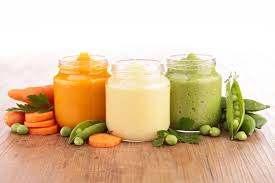
2.The Baby Food Diet
Why It’s Nuts: “Baby food is basically pureed fruits, vegetables, and meats,” says Sharon Palmer, author of Plant-Powered for Life. “So there’s no real reason why eating baby food would help you lose weight.”
On top of that, a baby food diet is unsustainable, says Palmer. When food is liquefied, the body doesn’t pick up fullness cues, which can make you feel hungrier after eating a sufficient amount of calories, she says.
Better Move: Eat in a way that you could sustain for the rest of your life without feeling miserable, says Palmer. Practicing common-sense portion control, mindful eating, and eating more minimally processed plant foods such as whole grains, beans, vegetables, and fruits, which are rich in nutrients and low in calories should get you to your goals.
3.Alkaline Diet
Restriction is the name of the game when it comes to the alkaline diet. Based on the concept that eating more alkaline foods, and shunning foods that make your body produce acid, will vastly improve health, this diet requires cutting out entire food groups. Meat, dairy, caffeine, alcohol, and anything that could be deemed sugary or processed are banned from your plate.
While the emphasis on fresh produce and healthy foods like seeds and nuts is great, it isn’t an easy diet to follow. There’s no science backing up the alkaline diet’s claims that it will perfectly balance your pH levels. That’s something your body already does naturally (and efficiently), so there’s no need to drastically change your diet for the sake of your pH.
4.Whole30
There’s nothing wrong with the foods that Whole30 asks you to eat, like fresh fruit and veggies. In fact, proponents of the plan say that focusing on whole foods instead of packaged, processed ones may result in weight loss and other health perks, too, like higher energy and improved sleep.
But the Whole30 plan prohibits eating many dietary staples — not just unhealthy foods like added sugar and alcohol, but also legumes, dairy, and grains. And while your body doesn’t need those healthy foods to function, Whole30’s restrictions can make the program difficult to stick with.
Furthermore, those rules can create a cycle of guilt around food, says Anne Mauney, a registered dietitian in Washington, DC. Even if you follow through on the entire 30-day program, at the end you’re likely still going to feel down on yourself for eating what was once deemed “bad.”
Plus, when you go back to eating these foods, “you may likely end up eating more of it than you need or want, because there’s that sort of ‘screw it’ mentality where you’ve already started eating something you ‘shouldn’t’ have, so you might as well keep going. This can often turn into a sort of ongoing restrict-binge cycle over time, where you limit certain foods and then end up overdoing it on those foods later, before going right back to restricting and trying to be ‘good,’” she says. That’s no way to live.
5.The Air Diet
Why It’s Nuts: You hold your empty fork up to your mouth and pretend to eat high-calorie foods instead of giving into cravings, says Rebecca Scritchfield, R.D., author of Body Kindness. It’s easy for most people to see why this one is crazy. It promotes disordered eating and, thanks to a drastic drop in calories, lowers your metabolism and leads to muscle breakdown. It also increases leptin resistance, which crushes your ability to get a sense of fullness when you start eating again.
Better Move: “Your cravings will only increase if you try to avoid eating a specific food, and you’ll end up making a choice you regret,” says Scritchfield. If it’s sweets you crave, fruit will give you a boost of quick energy and hydration. If you’re looking for a tasty snack, try nuts, beef jerky, and hard-boiled eggs, which have a mix of protein and fat and will leave you feeling satisfied, she says.
6.The Military Diet
Often touted as a way to lose 10 pounds in one week, this extreme meal plan isn’t just miserable, it’s also dangerous. With no actual association with any branch of the military, the Military Diet is something that seems to have sprung to life on the Internet. Meals are small, unvaried, and include bizarre combinations. Example meals include “1 cup cottage cheese, 1 hard boiled egg, 5 saltine crackers” or “1 cup tuna, 1/2 banana, 1 cup vanilla ice cream.”
7.Keto Diet
If you want to lose weight quickly, this diet, which researchers designed to help control epilepsy in children, has become a popular way to do so.
But there’s a lack of definitive research proving that keto is safe and effective for the long haul. What we do know is this high-fat, moderate-protein, and very-low-carb diet has a reputation for being challenging, especially if you’re doing it without medical supervision. When you go off the plan, you might gain back all the weight you lost.
What’s more, for all the buzz about the health benefits of keto (for type 2 diabetes, certain types of cancer, Alzheimer’s disease, and more), long-term randomized, controlled trials in humans are lacking, Harvard notes. “Keto restricts foods that help fight cancer and heart disease, like whole grains and legumes,” says Tiberio.
What’s more, there are so many ways to approach keto, and not all of them are healthful. “Though you should be eating a lot of spinach and kale on keto, people generally eat bacon and eggs,” says Tiberio, which leaves out important disease-fighting nutrients, including fiber.
8.The Tapeworm Diet
Why It’s Nuts: This diet requires ingesting a tapeworm, which feeds on the food you’re eating, so you don’t absorb the calories, says Alexandra Caspero, R.D., author of delishknowledge. Eventually (hopefully) the worm will leave your body through your digestive tract. “It’s important to realize that these are parasites and can be very difficult to remove,” says Caspero. There’s also no guarantee that the worm won’t move to other parts of the body, which can lead to severe side effects like weakness, headaches, nausea, and diarrhea. Just no.
Better Move: “Focus on eating foods that are lower in calories and higher in nutrients, like fruits, vegetables, whole grains, and lean proteins,” says Caspero. Those will fill you up for less calories. No tapeworm required.
9.Blood Type Diet
The notion behind the blood type diet is that certain foods react differently with each blood type. In other words, proponents of the diet suggest some foods might be healthy for one blood type, while causing severe damage to another. Type A dieters must go vegetarian, type O has to stick with lean meats and fresh produce, and type B is required to avoid a random assortment of foods including chicken, tomatoes, sesame seeds, and peanuts.
The main negative of the diet is its complex rules and that it requires many blood types to cut out healthy, everyday ingredients. Developed by a naturopathic doctor, there’s no scientific evidence (despite several studies) that the blood type diet is effective when it comes to health or weight loss.
10.Atkins
Of course, the Atkins diet was the original low-carb diet, made popular decades ago. Now that keto is on the scene and there’s a general carb phobia, you may be thinking again about going on a low-carb diet like Atkins. (Atkins and keto differ in that Atkins allows for more protein, whereas keto limits protein.)
“Like many diets, you lose weight quickly on Atkins. But it does not work long term,” says Tiberio. On the U.S. News rankings of best diets, Atkins falls near the bottom because of worries about safety and negative impact on heart health.
Almost every spot is helping you to burn fat, but what are the most effective
1.Swimming (Breaststroke):
458 calories per 30 active minutes Swimming is a cardiovascular powerhouse that works the entire body. It’s a particularly good choice for those who benefit from low-impact exercise. You don’t need much in the way of gear—just a swimsuit, goggles, and access to a pool. The breaststroke burns the most calories, but freestyle/front crawl is a close runner-up.
2.Cycling.
Whether you want to enjoy the nature and cycle outside or you prefer to exercise on a gym bicycle, it is definitely an amazing physical activity that strengthens the entire body, and especially the legs. In addition to that, it can help you burn approximately 500-1000 calories in an hour depending on how fast you’re cycling, which is the reason a lot of people choose this sport to stay fit.
3.Boxing and Kickboxing
Not only do boxing and kickboxing make you look fierce, they also burn a ton of calories. Taking a kickboxing class, sparring or competing in a boxing match can help a 155-pound person burn between 648 and 720 calories per hour, according to estimates from the University of Rochester Medical Center.
4.Jogging
Calories burned per hour: 550 to 900
The middle ground between walking and running, a steady jog can be a great fat-burner. You don’t need to run as fast as you can; a simple trot over a period of time will do wonders for your cardiovascular fitness as well as help you tone up and strengthen your core muscles. The key is to jog for a significant distance, so don’t burn yourself out by starting out with a pace you can’t keep up. And whether you’re an experienced jogger or a beginner, proper stretching will ensure you complete your jog with happy muscles
5. HIIT (High Intensity Interval Training):
444 calories per 30 active minutes
While not technically a sport, HIIT is one of the best ways to burn fat and lose weight, and you can choose movements based on the sport(s) you play. Simply put, HIIT is workout made up of repeated rounds of exercises performed at max effort for a given interval, followed by a short recovery period. For example, you could one minute of squats, followed by 20 seconds of rest, followed by one minute of skater hops, and so on. You don’t HAVE to buy anything to do HIIT, but many trainers recommend some resistance bands and floor sliders to enhance the body weight resistance challenge (a $30-45 purchase) and a clock or another way to keep time.
6.Nordic walking.
If you’re not familiar with this physical activity, you should definitely take it into consideration, as it is regarded as one of the best toning and cardiovascular exercises out there. For this sport, you will need two special poles that allow you to engage your entire body while walking, and the movements performed during this activity are similar to skiing, but you don’t actually need any snow. In addition to the health benefits, Nordic walking allows you to burn a lot more calories than regular walking.
7.Basketball, Football
The nonstop action of a full-court basketball game can leave you drenched in sweat. It can also help you lighten up. According to the University of Rochester Medical Center, a 155-pound person can burn about 576 calories in an hour of game play.
Football Games
The explosive moves involved in competitive football have a high metabolic cost, and the endurance to last a whole game also requires a lot of energy. The University of Rochester Medical Center estimates that a 155-pound person burns 648 calories an hour during competitive football. Training drills and activities can also be big calorie torchers.
8.Tennis
Calories burned per hour: 600 to 900
Start, stop. Start, stop. Start, stop. Such is the rhythm of tennis. It’s a great workout, however, you might not want to tackle this sport if you have bad knees or ankles. Remember, for the maximum physical benefit, singles tennis is better than its doubles counterpart because you’ll cover more ground during a match. Your shoulders, forearms and hips will get a workout even if you’re a beginner.
9.Snowboarding.
Snowboarding is among the most popular winter activities, as it is extremely fun and also great for your physical form. The majority of people don’t view snowboarding as an activity for losing weight, but it is certainly effective at burning calories. Depending on the intensity of your snowboarding, you can lose about 400-600 calories in an hour, which makes it an excellent sport for those trying to get into shape
10.Jumping rope
Calories burned per hour: 700 to 1,100
Boxers do it to warm up, but after a few short minutes of this activity, you’ll be considering it more than just a simple preface to your workout. It’s simple, but effective, and works the entire body, as well as helps you with hand-eye coordination. You’ll easily improve hand and foot speed as the calories fall away. Once you’ve moved up from basic jumps, it’s a fun challenge to incorporate speed steps, side swings and crossing patterns to your routine. Jumping rope may not have been the thing to do at recess, but it’s perfectly masculine to try.
Most important in fat loss is diet, but some supplements can help speed up that process. Here are my top 5 fat loss supplements.
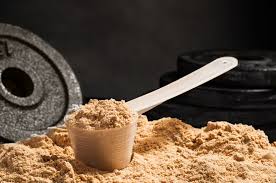
1.Whey protein
It’s no secret that protein is a gym junkie’s best friend. But it actually does more than just carve cut muscles—a 2014 meta-analysis in the Journal of the American College of Nutrition found that people lost roughly 10 pounds after incorporating whey protein into their diet. And the milk derivative actually outperforms other protein sources: Overweight individuals who drank one whey protein shake a day lost more weight than those who drank a soy protein shake, according to a study in the Journal of Nutrition.
2.Caffeine
Caffeine is the most popular fat loss stimulant on the market and, while it may not be the most popular fat loss supplement overall, it’s popularity is still very high (credit coffee for that) and it is found in most fat burning supplements with multiple ingredients.
The reason for this is all traced back to it’s main action, the ability to block adenosine receptors.
Adenosine receptors normally cause sedation so, when they are blocked, wakefulness occurs.
Now, there are a few adenosine receptors and some do different things than others. While wakefulness will always happen with caffeine for a short time, until you become tolerant to caffeine, adrenaline can also be released.
3.Green Tea
Green Tea seems to be all the rage these days. As well as being packed full of antioxidants, it’s also a potent metabolism booster.
Green Tea contains Epigallocatechin Gallate (usually referred to as EGCG), which is a potent ingredient shown to increase your metabolic rate and get your body burning more fat. The other good thing about Green Tea is that it’s believed to boost endurance, meaning that you’ll be able to train harder and for longer.
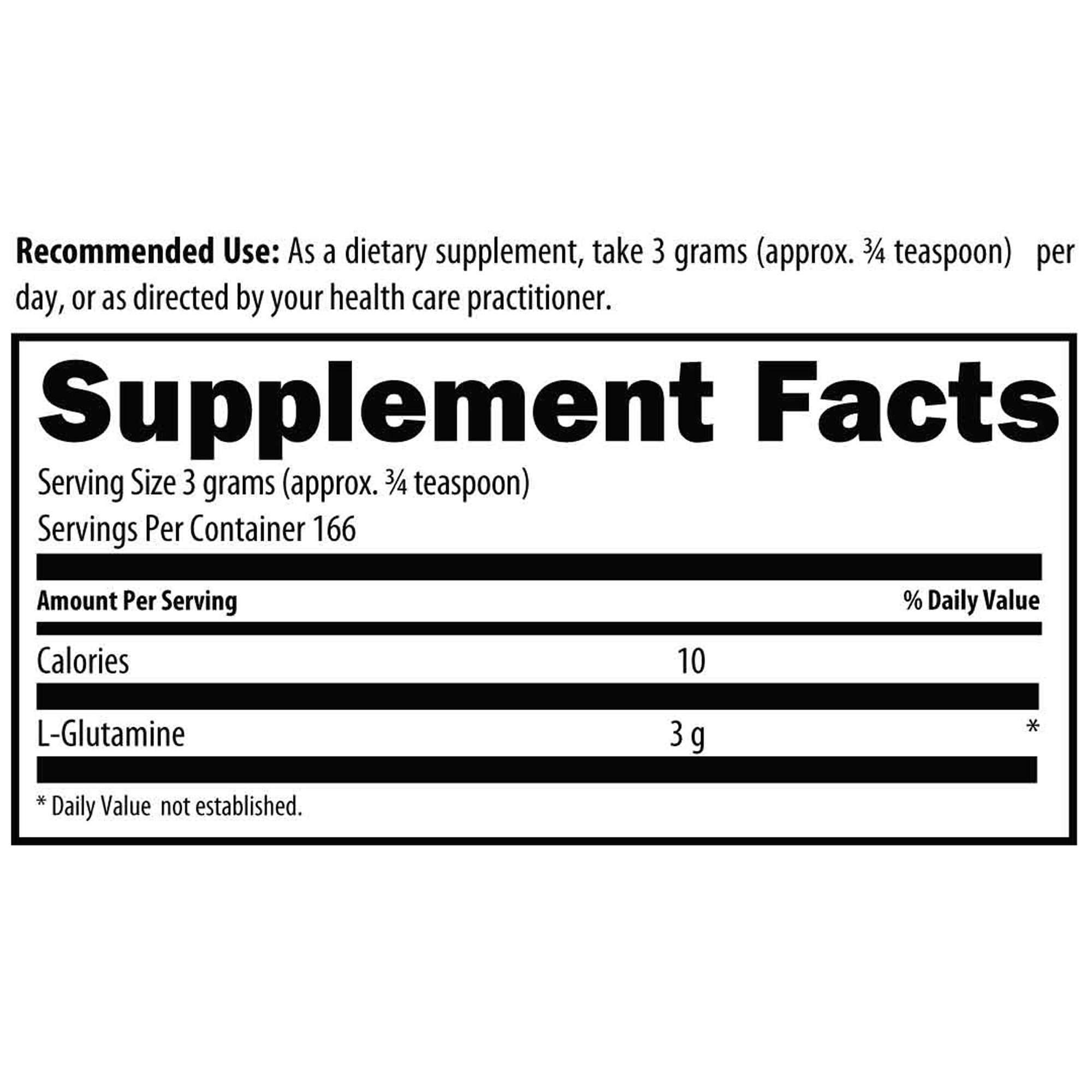
4.Glutamine
The most abundant amino acid naturally produced by your body, glutamine is found in the largest amounts in your muscles, helping repair them, maintain a healthy gutOpens a New Window., and stabilize your blood sugar. A study last year in the European Journal of Clinical NutritionOpens a New Window. found that without changing their diets at all, people lost weight after taking glutamine supplements for four weeks, likely because it helped boost glucose metabolism.
5.Cayenne Pepper
Along with Green Tea, we place Cayenne Pepper as one of the top two best fat burning ingredients around right now.
Just like Green Tea, Cayenne is a potent metabolism booster shown to increase your metabolic rate and get you burning more calories even while resting.
Cayenne contains a substance called Capsaicin, which has been shown to boost energy consumption and therefore help you to burn more calories.
And to double up, Cayenne has also been shown to help suppress appetite at the same time, so it can also help to make it easier to stick to your diet.
There is more but this is the top 5 organic fat loss supplements (food). If you are looking for workout leggings or clothes check out our fitness and yoga leggings page.
That very important because good metabolism mean good heath, so what are the best 5 tips for boosting metabolism.
1. Eat Plenty of Protein at Every Meal
Eating food can increase your metabolism for a few hours.This is called the thermic effect of food (TEF). It’s caused by the extra calories required to digest, absorb and process the nutrients in your meal.
Protein causes the largest rise in TEF. It increases your metabolic rate by 15–30%, compared to 5–10% for carbs and 0–3% for fats (1).Eating protein has also been shown to help you feel more full and prevent you from overeating
One small study found that people were likely to eat around 441 fewer calories per day when protein made up 30% of their diet Eating more protein can also reduce the drop in metabolism often associated with losing fat. This is because it reduces muscle loss, which is a common side effect of dieting
2.Kick It Up
Go hard High intensity interval training or HIIT burns more calories than steady state exercise. What’s more it revs up your metabolism so you burn calories better for hours after your sweat session. To do HIIT, just kick it up a notch. Alternate periods of vigorous exercise (think 8 or above on an intensity scale of 1 to 10) with rest or more moderate exercise. An example would be to alternate sprinting with walking. Experiment with interval length
3.DE-STRESS
Chronic stress can leave you with consistently elevated cortisol levels, which can increase insulin levels and make you carve fatty foods. Stress reduction techniques such as meditation and breathwork can help to lower stress levels, keeping your cortisol levels in check. If you’re new to meditation, try the Headspace App or 4-7-8 breathing exercise.
4.Lift Heavy Things
Muscle is more metabolically active than fat, and building muscle can help increase your metabolism
This means you will burn more calories each day, even at rest .Lifting weights will also help you retain muscle and combat the drop in metabolism that can occur during weight loss
In one study, 48 overweight women were placed on a diet of 800 calories per day, along with either no exercise, aerobic exercise or resistance training After the diet, the women who did the resistance training maintained their muscle mass, metabolism and strength. The others lost weight, but also lost muscle mass and experienced a decrease in metabolism
5. Trim The Trans Fats
You’ve heard they’re bad for you. But trans fats also slow down your body’s ability to burn fat. “They have an altered shape and make your biochemistry run funny,” Hyman says, explaining that trans fat binds to fat and liver cells and slows metabolism. Eating trans fat can also lead to insulin resistance and inflammation, both of which cripple metabolism and can cause weight gain.
There are so much more good advice’s will make more of this useful info soon. If you are looking for workout leggings of suit check our Fitness and Yoga clothing page



























 Contantine Workout And Health Tips