Top 10 CELEBRITY DIETS THAT ACTUALLY WORK

1.Beyoncé

While Sasha Fierce has recently devoted herself, and her social media, to a vegan lifestyle, Beyoncé is also famous for completing the Master Cleanse, an all-liquid diet of cayenne lemon water, to prepare for her role in the 2006 film Dreamgirls. During that time, Beyoncé allowed herself a cheat day to indulge in pizza and wine. 

2. Kim Kardashian Atkins 


Wondering how Kim Kardashian shed her post-baby weight so quickly? Calling it the “greatest challenge” of her life, Kim lost around 25 kilos in 11 months leading up to her wedding. Featuring a diet that mainly consists of protein rich foods high in healthy fats like avocado and nuts, as well as eggs, fresh fruit and vegetables, and cheese, while eliminating the intake of carbs.

It is also advised for dieters to stop counting calories – instead ensuring you consume three regular sized meals and two snacks every day. 

Kardashian also enlisted the help of celebrity trainer Tracy Anderson to keep her exercise in check and reportedly had a chef accompany her on tour with Kanye West in order to keep her meals carb-free.

3. Jennifer Aniston, Demi Moore, Sandra Bullock – THE ZONE DIET

WHAT IT IS: Developed by former scientist Dr. Barry Sears, The Zone Diet involves getting 40 percent of your daily total caloric intake from carbohydrates, 30 percent from carbs and 30 percent from fats. According to Sears, balancing the correct amount of amino acids with carbs helps control the appetite to prevent over-eating (which leads to weight gain). Followers eat three portion-controlled meals and two snacks a day, preventing you from getting too hungry – or cranky. Hollywood hottie Jennifer Aniston was such a big fan, some have even called it the “Jennifer Aniston Diet.”

4.Marilyn Monroe

Eggnog for breakfast? Miss Marilyn Monroe herself would start her day with two raw eggs whipped in warm milk. Opting to skip lunch, the pop culture icon would then consume broiled liver, steak, or lamb and five carrots for dinner, finished with a decadent hot-fudge sundae dessert. 

5. Victoria BeckhamAlkaline Diet 


ex-Spice Girl, fashion designer and mother of four Victoria Beckham cites the alkaline diet as her method of maintaining her incredibly svelte figure. The diet tries to keep the body’s pH level between 7.35 and 7.45 by ultimately aiming the dieter to eat 80% alkaline (fruits, vegetables, nuts and legumes – fennel, broccoli, grapefruit and kale are considered the most alkaline) and 20% acidic (wheat and dairy products, coffee, sugar, meat, fish and alcohol) foods. 

Reportedly Beckham’s daily diet includes grilled fish, smoked salmon, scrambled eggs, yellow fin tuna, sushi salad, and blueberry smoothies, which effectively controls aging due to their high omega 3 content. Those who keep an alkaline diet boast increased energy levels, improved memory, as well as the prevention of cancer and heart disease.

6. Sofia Vergara, Ricki Lake, Lauren Conrad, Jennifer Lopez, Julie Benz -FRESHOLOGY

WHAT IT IS:Freshology provides calorie-controlled, low-carb, high-protein, all-natural gourmet meals (prepared by a five-star chef, ooh la la) delivered straight to your front door. Said to be the “Diet Plan of Choice for the Dancing with the Stars Celebrities,” meal plans start at $48 a day.

“The food is good and I don’t have to think about it!” says sultry star Sofia Vergara. But the best part? You’ll even get dessert.

7.Kate Middleton – The Dukan Diet

Kate Middleton took a cue from the French and slimmed down for the Royal Wedding with The Dukan Diet. After an initial kick start of straight protein and vegetables, the regimen is broken into three phases that get less strict week by week, with variations depending on how many pounds you’re trying to shed.

8. Angelina JolieThe Ancient Grains Diet 


To keep her energy levels up, Angelina Jolie makes sure she regularly snacks on and adds ancient grains such as quinoa, chia seeds, millet, spelt and buckwheat to her diet. The humanitarian and film star claims provide her with nutrients she can’t find anywhere else, plus boasts glowing, radiant skin and shining, healthier hair to prove it.

9. Kim Cattrall, Nicole Kidman, Oprah, Eva Mendes, Bill Clinton – THE SOUTH BEACH DIET

WHAT IT IS: According to their website, The South Beach Diet is “a food-lover’s diet”. Divided into three phases (the first two are the most strict), the program is said to eliminate cravings, kick start weight loss and maintain for life. While there’s no counting calories or strict portion sizes, followers must say goodbye to bread, rice, potatoes, pasta, baked goods, and fruit – at least for the first two weeks. Relatively simple in principle, it replaces “bad carbs” and “bad fats” with “good carbs” and “good fats.”

10.Lady Gaga – Baby food diet

Did Lady Gaga purée her pounds away? The singer is rumored to have tried Tracy Anderson’s baby food diet, a plan that replaces your first two meals of the day with Gerber’s baby food, followed by a health-conscious dinner. While she has yet to fess up, other celebs have also been linked to the diet, including Reese Witherspoon, Jennifer Aniston, and Gwyneth Paltrow

If you are looking for workout clothes check our fitness and yoga leggings page.
Sources:www.shape.com,www.harpersbazaar.com.au,www.shape.com

workout leggings
fitness and yoga leggings

Top Fitness Trends For 2019

1.Exercising at home

Working out is no longer solely resigned to hitting the gym. Tom Holland, MS, an exercise physiologist from Connecticut,said home workouts will continue to be popular in the new year. Many Americans are creating home gyms, or using streaming technology to exercise under their own roofs.

“Getting started doesn’t require a large amount of space or investment,” Holland said.

2.HIIT IS HERE TO STAY

Mentioned at the top of the ACSM’s 2018 trends survey, we expect HIIT (high-intensity interval training) to stick around in 2019. The results are undeniable, and especially for working professionals short on time, there’s no better way to get a complete, gym-free workout than with some intense circuits.

Head outside, do it in the living room, or take a class at your local studio – HIIT is all about movement and workout efficiency.

3.Boxing

When it comes to what workout trend more of us will be trying, that will be boxing, according to Jawaid. Combat sports in general are becoming more of a part in mainstream culture in part due to rising popularity of mixed martial arts, or MMA.

“Boxing workouts are a great way of getting an intense workout but also feeling like a fighter,” Jawaid told Healthline. “I think people feel a sense of empowerment when they emulate certain movements of fighters.”

Second to boxing is spinning, Jawaid said. The controlled aspect of pedaling typically means less injuries than other recent trends such as CrossFit.

4.GETTING SWEATY WITH STRANGERS

According to the ACSM, group training (more than five people) will be the second most popular fitness trend in 2019. For good reason, too — these classes are social, highly motivational and provide instruction for people who need structure in their daily workouts. Group classes cover a wide range of disciplines, including spin, dance, aquatics and cardio-based classes, and are available anywhere from private studios to public facilities to mainstream gyms.

5.Smart training

Having a fitness wristband to track calories and steps is one thing, but workouts will get even smarter in 2019, says Von Collins, an ACE-certified professional with Complete Tri, said that smart treadmills and other fitness equipment that features streaming apps is quite a game changer.

Smart training lets you, for example, ride a bike while seeing the course on a tablet. The bike changes to reflect hills or other obstacles, plus many smart training platforms let you compete with other users. You can do workouts, time trials, or even go for rides with friends who might live miles away.

“Up until now, the technology to stream workouts at home in a fully integrated way has been best described as clunky,” Collins said. “It is becoming much more streamlined, much more plug-and-play, which opens the entire market up beyond the hardcore junkies and to the masses.”

6.THE RETURN OF THE TREADMILL

Step aside elliptical — in the past few months we’ve seen many fitness classes and training plans getting back to basics. We’re talking about the treadmill, the machine that’s been around seemingly forever.

If it’s not broken, don’t fix it, and with the rise of popular and effective treadmill programs, we anticipate this machine will be a staple in many training plans in 2019. Just don’t forget your running and multisport watchto monitor your efforts!

7.Fitness studios — not gyms

For those who do like going to a gym, the big box facility may still be the perfect fit.

But expect them to offer more classes than you’ll see in fitness studios, says Eric Casaburi, founder and chief executive officer of Retro Fitness.

While gyms aren’t going anywhere, the shift toward boutique fitness studios and classes will dominate 2019.

The 2017 IHRSA Health Club Consumer Report found that 18 million Americans belonged to a studio, which was up 15 percent compared to 2015.

Still, 32 million Americans held membership in traditional commercial health clubs and gyms, which is down from 2015.

8.YOGA, YOGA, YOGA

While there’s no doubt the classic form of yoga will always reign supreme, the variations on this ancient practice are injecting new life into a sometimes stale routine. 2019 will continue to see more outdoor yoga classes, yoga retreats, standup paddleboard (SUP) yoga, goat yoga (yes, we said goat yoga), etc. We can’t wait to see what yoga variations the new year will bring.

9.Being fit is trending, overall

Other trends to watch out for in 2019, according to the annual American College of Sports Medicine predictions report, include more personal training, fitness programs for older adults, and the continuation of yoga as a popular fitness trend.

Their top trend for the year is wearable technology, which debuted on the list in 2016, stayed there in 2017 and dropped to third place last year. The ACSM says group training and HIIT will be the second and third biggest trends in 2019.

10.NETFLIX OF THE WORKOUT WORLD

Here at Polar, we’re officially rebranding “Netflix and chill” as “Stream and workout” in 2019. Many big-name fitness brands are creating subscription-based virtual streaming services designed to replicate a guided group session in the comfort and convenience of your home.

For example, Les Mills On Demand offers access to over 600 online workouts, YogaWorks has created an on-demand library of over 1,000 guided yoga classes, and brands like Peloton offer a live, interactive platform to work out with others in real time. Think of these as a modern-day Richard Simmons VHS tape — minus the neon spandex and electronic music.

If you are looking for workout clothes check our fitness and yoga leggings page.
Sources:www.healthline.com,www.polar.com

workout suits
workout leggings

10 Reasons You Should Never Stop Wearing Leggings

Leggings (compression pants) have so many benefits and they are beautiful.

1.Reduced Muscle Fatigue

workout suit

Purchasing compression shorts, and wearing them during workouts, helps improve athletic performance by reducing fatigue. UPMC Health Beat says that wearing compression shorts helps reduce muscle soreness and fatigue during and after workouts, resulting in better, faster and longer runs without feeling quite as tired when you wear compression garments. This is an excellent reason to try a pair!

2.Warmth

honeycomb leggings

One of the most obvious benefits of opting for tights over shorts or even sweatpants is the warmth they offer during the colder months. While it’s true that you need extra warmth for winter running, you also don’t want to be weighted down or get too hot during your run. Tights offer extra warmth from the length and, if constructed from a performance fabric, can help wick sweat away from skin so you stay warm — but not too warm — to continue training through temperatures under 40 degrees Fahrenheit, suggests The Competitive Runner.

3.FIT AND COMFORT

push up leggings

The slim fit of tights provides the obvious yet crucial benefit of not riding up during a run. In addition, the tightness will eliminate friction that baggier clothing can cause against your skin. While the concept may seem restricting, tights are made of stretch fabrics — polyester and spandex, for instance — that allow flexibility and freedom of movement. Contoured waistbands can ensure both comfort and a flattering look, and many ASICS tights also feature flatlock seaming, meaning the seams are flat and therefore more comfortable.

4.Strain Prevention

leggings with pockets

Believe it or not, compression shorts also help reduce your risk for strains. Additionally, Healthline says compression garments even aids in strain recovery. So if you’re prone to this type of sports-related injury, compression shorts may be right up your alley.

5.Protection

men leggings

Even if it’s not too cold out, running tights can pull double duty by protecting the skin on your legs from the elements. Whether it’s the hot sun or whipping wind, an extra layer on your legs gives you more protection. Because avid runners hit the pavement no matter what the weather, tights are an ideal way to protect skin without having to compromise on gear

6.PERFORMANCE

top selling leggings

Some tights even double as compression gear. Compression in general can have a wide range of positive effects on performance, including improved recovery and increased muscle efficiency.

A number of our running tights also have elastic panels for muscular support, using COREBALANCE® technology to compress leg and lower back muscles in specific areas.

Running tights also offer an aerodynamic advantage for runners looking to reduce wind resistance and increase speed. In 1986, a study by the journal of Medicine and Science in Sports and Exercise found that runners who wore tights or minimized exposed hair were able to decrease wind resistance by two percent. This might not seem like much, but that’s 5.7 seconds over the course of a marathon.

7.Increased Power & Better Jumping Ability

art leggings

Want more power during and after workouts, and better jumping ability? Compression tights may help improve jumping performance in athletes after endurance events. According to Runner’s World, compression gear makes it easier to regain maximum jumping ability post-workout, which is a bonus when you’re looking to get back on the track, field, or court after an intense workout.

8.Better Recovery After Strenuous Exercise

squat leggings

Recovering from strenuous exercise can be a lengthy process and muscle soreness is more likely to occur when you’re new to intense training sessions. Luckily, compression shorts can aid in muscle recovery after strenuous workouts. Pressure (compression) garments may have greater advantages to improve recovery following an exercise bout, says Human Kinetics.

9.Groin Support

motivation leggings

Need a little extra groin support, or need a sturdy place to hold a cup)? Compression shorts with cup pockets are for just this purpose. Theyprovide a convenient, comfortable way to protect sensitive body parts while you train or compete. Shorts with cup pockets are perfect for baseball and football players who need extra protection, but don’t want to sacrifice comfort.

10.Better Muscle Oxygenation

men leggings

Your muscles need oxygen to function properly during workouts. Compression garments are designed to increase the amount of oxygen that they recieve, according to a publication by Research Gate. Compression are designed to promote blood flow and improve oxygenation of muscle tissue, which can enhance athletic performance during short bouts of exercise.

If you are looking for workout clothes check our fitness and yoga leggings page.
Sources:www.mcdavidusa.com,www.secretdesires.in,www.asics.com

fitness and yoga leggings
workout leggings

Top 10 Zumba Benefits

These days zumba is very popular, but why?

1.Calorie and fat burning: 

At its core, Zumba classes provide a large calorie burn through aerobic activity done with interval training in mind. The average person will burn around 600 to 1,000 calories in a Zumba class. With the classes choreographed to provide intervals of intensity in both pace of music and type of movements, class members’ energy expenditure is maximized for fat-burning benefits. Fitness moves are also incorporated within Zumba dances, so don’t be surprised if you find yourself moving from a fast merengue beat to a long, slow set of push-ups on the wall, or doing several sets of squats followed by plyometric jumps.

2.Mood boosting

Music is the main ingredient to Zumba classes which becomes an instant mood booster, according to Bomvana.

“Music is a powerful tool. It helps you de-stress and gets you in a contagious happy mood. If anyone would go into a Zumba class at any given time, you are most likely to be greeted by smiles and laughter.”

3.You’ll improve cardiovascular fitness

According to the Journal of Sports Science and Medicine, accepted fitness industry guidelines indicate that individuals who wish to improve their cardiovascular fitness should exercise between either:

  • 64 and 94 percent of their HRmax, a measure of an athlete’s maximum heart rate
  • 40 to 85 percent of VO2 max, a measure of the maximum volume of oxygen an athlete can use

According to the same study, all participants of a Zumba session fell within these HRmax and VO2 max guidelines. They were exercising at an average of 79 percent of HRmax and 66 percent of VO2 max. This makes Zumba an efficient workout in increasing aerobic capacity, a measure of cardiovascular fitness.

4.MPROVED COORDINATION

By joining a Zumba class you’ll definitely improve your coordination, and if you didn’t already know, it is extremely important to have good coordination as you grow older.

Maybe this doesn’t seem so important to you right now, but you will appreciate it once you get older and you won’t suffer from the consequences of poor coordination.

5.Everyone can join in:

 Classes are offered at all levels, including standard Zumba, Zumba Gold for senior citizens, Zumba for kids and even Aqua-Zumba done in swimming pools. Because Zumba is based on music and dance, it seems to speak a universal language that people of all nations can related to. There is no large learning curve in a Zumba class, either. New participants may receive small-scale step rehearsals before some longer dances, but in most cases, first-timers can simply jump right into a class and follow along with the instructor.

6.It’s social

Bomvana says the high energy fitness, sweating to the Salsa and Reggaeton beats is good for sparking conversations and creating new relationships.

“People come to most of our classes shy and reserved but, as soon as the music plays, a wave of energy and conversation fills the room instantly.”

7.Improved blood pressure

A 2016 study involving a group of overweight women found that after a 12-week Zumba fitness program, participants experienced a decrease in blood pressure and significant improvements in bodyweight.

Another 2015 study found a decrease in blood pressure in participants after a total of just 17 Zumba classes.

8.CLASSES ARE EVERYWHERE

Sometimes I read about a great new exercise class, only to find out it’s only offered in New York City.Since I don’t live there, it can be disappointing.

Not so with Zumba.Most cities and states boast several places that offer Zumba classes for all skill levels.

Check your local rec center or gym for a class near you.You won’t be let down!

I hope I convinced you to at least try going to a Zumba workout and you’ll see how addicted you will be afterwards to this wonderful fitness exercise.

9.Full body workout: 

Zumba is both a dance class and a fitness class. Aside from its heart-health benefits, Zumba provides a workout for the whole body. From head and shoulder rolls that loosen up the neck and warm up the upper body, to footwork that strengthens and stretches calves and ankles, this fitness method touches on nearly every muscle and joint. Even those who are just learning the dance steps will find themselves waking up the day after a Zumba class with a definitive post-workout feeling.

10.IT’S ADDICTING

Because most people who discover Zumba fall in love with it as a form of exercise, it’s a great choice if you have trouble staying motivated to stick with an exercise routine.

Many women say they are hooked after only one class.

If you need that kind of motivation, find yourself a Zumba class today.

If you are looking for workout clothes check our fitness and yoga leggings page. Sources: http://www.iol.co.za, http://www.healthfitnessrevolution.com, http://www.healthline.com, http://www.capcana.com

fitness and yoga leggings
workout leggings

Top 10 Best Yoga Pants

When you workout in the gym or taking yoga classes you need comfortable pants (leggings). What are the most comfortable and popular leggings on the market.

1.Mesh Pattern Leggings Fitness And Yoga

fitness leggings

Most popular right now, fitness and yoga leggings on the market.

Waist Type: High
Fabric Type: Knitted
Material: Polyester,Spandex
Pattern Type: Print
Thickness: Standard
Length: Ankle-Length

2.Relief Style Leggings / Yoga Pants

workout leggings

Super sexy leggings, relief push up design to lift up your forms.

Style: Office Lady
Waist Type: High
Fabric Type: Knitted
Material: 57% Nylon + 8% Spandex + 35% polyester
Thickness: Standard
Length: Ankle-Length
Pattern Type: Solid

3.Motivation Style High Waist Push Up Leggings

yoga leggings

With these workout leggings motivation finds you.

Item Type: Full Length
Sport Type: Yoga
Fabric Type: Jersey
Closure Type: Elastic Waist
Material: Polyester
Gender: Women
Fit: Fits true to size, take your normal size

4.Push Up Leggings with Pockets

fitness leggings

Beautiful leggings with pockets, to wear your phone everywhere with you.

Waist Type: High
Fabric Type: Knitted
Material: Polyester,Spandex
Thickness: Standard
Length: Ankle-Length
Model Number: Push Up Fitness Leggings
Pattern Type: Solid

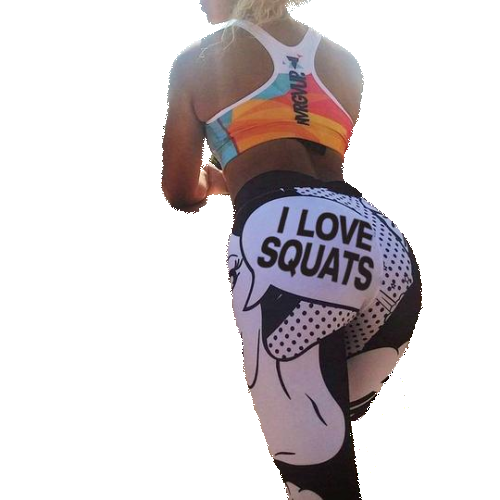
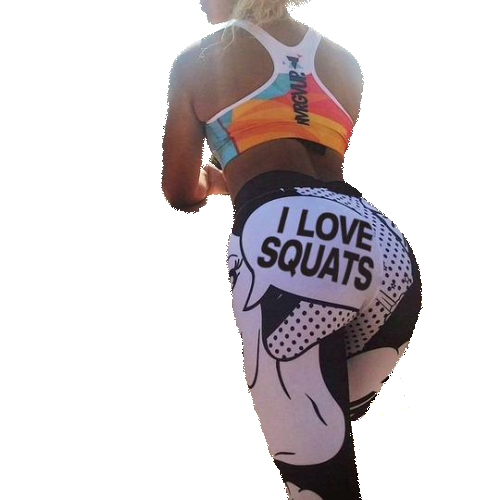
5.I Love Squats Workout Leggings

workout leggings

You may not love squats, but you will love these leggings.

Material: Polyester,Spandex
Pattern Type: Print
Waist Type: Mid
Fabric Type: Knitted
Length: Ankle-Length
Thickness: Thick

6.Fashion Quick-drying Leggings / Yoga Pants

workout leggings

Ultimate workout legging with Quick-drying technology.
Fabric Type: Knitted
Style: Gothic
Material: Nylon
Waist Type: Mid
Thickness: Standard
Length: Ankle-Length
Pattern Type: Solid

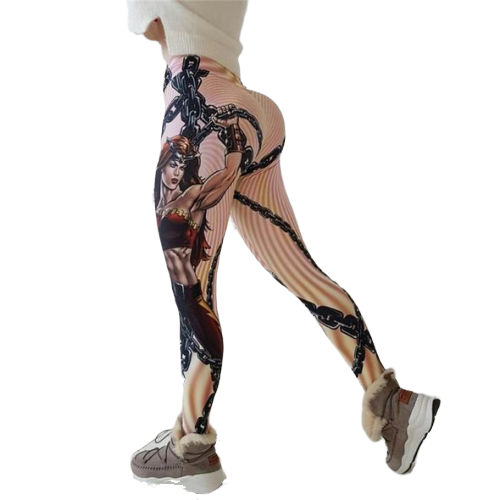
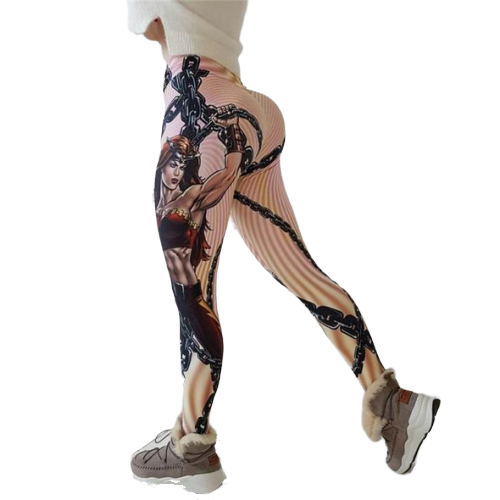
7.Hero Women Leggings / Yoga Pants

yoga leggings

Hero Woman leggings, one of the most beautiful workout pants on the market.

Fabric Type: Knitted
Material: Nylon,Spandex
Pattern Type: Print
Waist Type: Mid
Thickness: Standard
Length: Ankle-Length

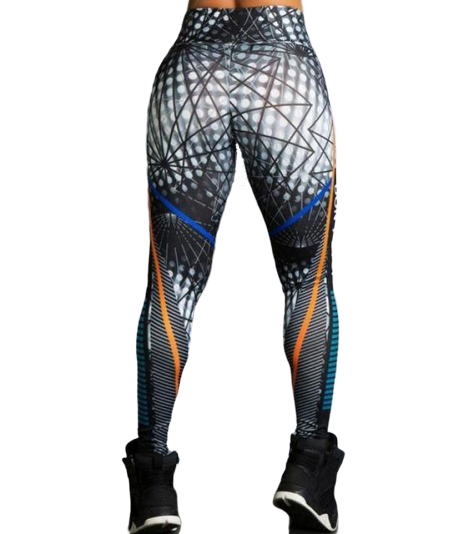
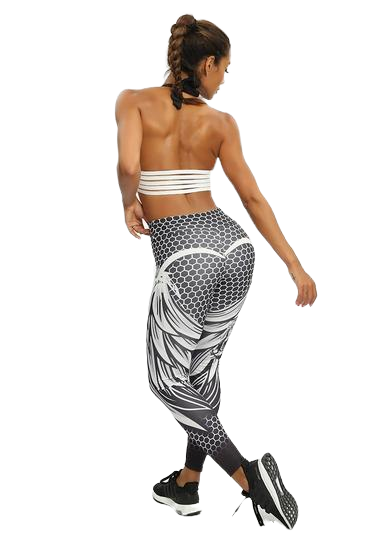
8.Honeycomb Streak Geometry Leggings Fitness / Yoga Pants

fitness leggings

Honeycomb leggings, real art geometry workout pants.

Waist Type: High
Fabric Type: Knitted
Pattern Type: Dot
Material:  Polyester 88% Spandex 11% 
Thickness: Standard
Length: Ankle-Length
Color: Natural Color

9.New Super Stretchy Leggings Fitness / Yoga Pants

workout leggings

Ultra-Stretch Fit (Enough thickness with breathability: No See through) that slims, conforms, and contours with each pose and movement

Item Type: Full Length
Closure Type: Elastic Waist
Material: Nylon,Spandex
Model Number: High Waist Seamless Fitness Leggings
Fabric Type: Broadcloth
Pant Length: Ankle-Length Pants
Color: Black,Red, Purple,violet,olive

10.Fitness And Yoga Set (Gradient Suit)

yoga leggings

Looking for most comfortable workout suit? You find it, style and comfort in one suit. All eyes on you.
Fabric composition nylon 87 (%)Lining ingredient content 13 (%)

Sleeve Length(cm): Full
Gender: Women
Feature: Anti-Shrink,Breathable,Anti-Pilling,Quick Dry
Fit: Fits true to size, take your normal size
Pattern Type: Solid
Size: S,M,L

If you are looking for workout clothes check our fitness and yoga leggings page. Or click on the images.

Top 10 Yoga Teachers You Should Fallow

When you start something new, you need someone to look up to.
Check out our top 10 yoga teachers.

1.Heidi Kristoffer

Style: Hatha, Vinyasa Flow

Heidi teaches at Strala Yoga in NYC where she is known as the ‘upside-down girl’ due to her penchant for inversions. Passionate about sharing her love of yoga with others, her classes offer everyone the chance to be upside down in a fun, safe way! Heidi is a wonderful example of the healing powers of yoga. Her personal practice helped her heal a herniated disc in her spine as well as helping to prevent surgery on two broken vertebrae. She uses core integration and alignment as well as laughter, to help her students “lengthen and strengthen” – while having fun!

2.Bikram Choudhury, Founder of Bikram Yoga

  • As of 2012 there were more than 600 Bikram Yoga studios worldwide, 330 of them in the USA, and 86 of those in California. NY Village Voice.
  • With 350 to 440 students in each Teacher Training Bikram is still personally training up to 1760 Bikram teachers each year. Given that he’s been training teachers since 1994 we can assume there are now tens of thousands of Bikram Yoga teachers. LA Weekly.
  • Five women filed civil suits against Bikram in 2013 alleging incidents ranging from sexual assault to rape. The cases have yet to be heard.
  • Author of Bikram’s Beginning Yoga Class and Bikram Yoga: The Guru Behind Hot Yoga Shows the Way to Radiant Health and Personal Fulfillment
  • 378,000 hits on Google (Using his full name)
  • 6,600 Twitter followers
  • 174,000 followers for ‘Bikram Yoga’ on Twitter.
  • 11,585 followers on Facebook
  • 82,706 followers for ‘Bikram Yoga’ on Facebook

3.Molly Birkholm

As a yoga and meditation teacher, Integrative Restoration (iRest) teacher trainer, retreat leader, and speaker, Molly inspires others to create meaningful life changes. She’s also a co-founder of Warriors at Ease, and has helped pioneer evidence-based trauma-sensitive yoga and meditation programs in military communities and other populations affected by PTSD. These include human trafficking survivors, people in recovery, homeless youth, prisoners, and refugees.

To date, Warriors at Ease has trained more than 800 teachers who work at more than 65 military bases and VA facilities, serving hundreds of thousands of soldiers and veterans in all 50 states and more than 10 military bases outside of the U.S.

In early 2018, Molly launched the Women’s Empowerment Initiativein collaboration with Yoga International, a one-year digital course aimed at empowering women by providing them with both spiritual and practical tools to help them live at their full potential.

4.SONIA ROBERTS

Sonia has been teaching yoga for over ten years, and every Friday she publishes a small story on her blog about yoga students in the San Francisco Bay Area. Influenced by various traditions and teachers, her passion is to help others build core strength and reach their full potential. Check out her Instagram (@soniarobertsyogamagic) to see some incredible inspirational yoga photos of Sonia performing various poses.

5.Elena Brower

Style: Hatha, Kundalini

A yoga teacher for over 16 years, Elena is a global yogini who sets an amazing example through the work she does for others both on and off the mat. She is the founder and co-owner of Virayoga in NYC, where she teaches students awareness of their body, mind and soul through artful alignment. In addition, she is the Executive Producer of On Meditation, a series of films that explore the practice of meditation and she is the co-author of Art of Attention. Quite a combination of inspiration!

6.John Friend, Founder of Anusara Yoga

  • Anusara Yoga had up to 600,000 students at it’s peak. It still holds regular global teacher training programs, immersions, and events.
  • Five hundred and eighty teachers are registered on the Anusara database. One hundred and fifty are reported to have defected due to the scandals surrounding Friend. 
  • Friend resigned from Anusara amidst allegations of financial mismanagement, sexual misconduct, and for being, amongst other things “like a thousand-headed Hindu painting,” and “weird warlock perverted Dumbledore power whore.” 
  • Friend has now relaunched himself with a new brand of yoga called Sridaiva Yoga.
  • 34,800,000 Google results
  • No personal Twitter or Facebook
  • 5,490 followers for ‘Anusara School of Hatha Yoga’ on Facebook
  • 20,400 Youtube videos

7.Rod Stryker

Rod is the founder of ParaYoga® and the author of The Four Desires: Creating a Life of Purpose, Happiness, Prosperity, and Freedom.

Renowned for his depth of knowledge, practical wisdom, and unique ability to transmit the deep teachings of yoga to modern audiences, Rod is a leading proponent for living a life of purpose, fulfillment, and freedom. He has taught for more than 35 years, dedicating his life to improving the lives of others through his lectures, books, leadership, and service.

8.CHRISSY CARTER

Chrissy Carter strives to connect yoga with day-to-day life. If you aren’t in New York City to take classes from her, you can still get a taste of her philosophy via her blog posts, which combine tips for your yoga practice with general wisdom, positivity, and even yummy recipes.

If you love inspirational yoga teachers, Chrissy’s social media accounts are worth following! Her beautiful Instagram feed will have you staring and scrolling, and she’s also quite active on both Twitter and Facebook.

9.Tiffany Cruikshank

Style: Vinyasa

Yoga teacher, author and wellness expert, Tiffany Cruikshank has over 15 years experience in the holistic health and yoga fields. She has a background in Acupuncture & Sports Medicine and is the Yoga Teacher and Acupuncturist at the Nike World Headquarters. Tiffany travels the globe delivering amazing classes and workshops and uses her lighthearted and playful approach to encourage people to “live life to the fullest”. She is a regular contributor to many of the leading yoga and wellbeing publications and has published her first book Optimal Health for a Vibrant Life, a 30 day guide helping people move towards holistic health.

10.Gary Kraftsow

Gary Kraftsow has for over 40 years been a pioneer in the use of yoga as a vehicle for health, healing, and personal transformation. His journey as a yoga student, practitioner, teacher, therapist, and teacher of yoga teachers and therapists began at age 19 when he traveled to Madras, India (now Chennai), to study Saiva Siddhanta (the Saivite Tantra of South India) with the respected scholar and mystic V. A. Devasenapathi, and yoga with T. K. V. Desikachar (the son and student of T. Krishnamacharya).

Gary developed the protocol used in two notable studies by the National Institutes of Health: “Evaluating Yoga for Chronic Low Back Pain” and “Yoga Therapy for Generalized Anxiety,” and for the “Mind-Body Stress Reduction in the Workplace” clinical trial for Aetna Insurance Company.

In 1999 Gary founded the American Viniyoga™ Institute through which he offers workshops throughout the U.S. and trainings for yoga teachers and yoga therapists.

If you are looking for workout clothes check our fitness and yoga leggings page. Sources: http://www.doyouyoga.com, http://www.theyogalunchbox.co.nz,
ww.yogainternational.com, http://www.wetravel.com

workout leggings
fitness and yoga leggings

Top 10 Healthiest Vegetables on Earth

Some vegetables are more healthy than others, here are my top 10.

1.Spinach

This leafy green tops the chart as one of the healthiest vegetables, thanks to its impressive nutrient profile.

One cup (30 grams) of raw spinach provides 56% of your daily vitamin A needs plus your entire daily vitamin K requirement — all for just 7 calories.Spinach also boasts a great deal of antioxidants, which can help reduce the risk of chronic disease.

One study found that dark green leafy vegetables like spinach are high in beta-carotene and lutein, two types of antioxidants that have been associated with a decreased risk of cancer.In addition, a 2015 study found that spinach consumption may be beneficial for heart health, as it may lower blood pressure.

2.Red Bell Pepper

Versatile and flavourful, red bell peppers are a common ingredient in a variety of raw and cooked dishes. This low-calorie food holds roughly 150 percent of the recommended daily value of vitamin C. However, according to the National Institutes of Health, vitamin C begins to break down if cooked above 375 degrees fahrenheit, meaning the vegetable loses some of its nutritional value when cooked.

Try this: Simply cut a raw pepper into slices for a crisp, tasty snack on-the-go.

3.Beet Greens

Beet roots’ edible leafy tops are brimming with vitamin K, which is linked to a lower chance of getting type 2 diabetes. One cup raw provides nearly twice your daily requirement. Cooking tip: Saute a bunch of tender beet greens with some olive oil and garlic for a healthy side dish. Or chop them and add to frittatas, soups, or pasta dishes.

4.Kale

Kale is a very popular leafy green vegetable with several health benefits. It provides 7 calories per cup of raw leaves and good amounts of vitamins A, C, and K.

Kale may benefit people with high cholesterol. One small study reports that men with high cholesterol who drank 150 milliliters of kale juice per day for 12 weeks experienced:

  • a 10 percent reduction in low-density lipoprotein, or “bad,” cholesterol
  • a 27 percent increase in high-density lipoprotein, or “good,” cholesterol

Other research suggests that kale juice reduces blood pressure, blood cholesterol, and blood sugar levels.
How to eat kale
People use baby kale in pasta dishes, salads, and sandwiches. Also, try making kale chips, or juice kale for its heart-healthy benefits.

5.Carrots

Carrots are packed with vitamin A, providing 428% of the daily recommended value in just one cup (128 grams)They contain beta-carotene, an antioxidant that gives carrots their vibrant orange color and could help in cancer prevention

In fact, one study revealed that for each serving of carrots per week, participants’ risk of prostate cancer decreased by 5%Another study showed that eating carrots may reduce the risk of lung cancer in smokers as well. Compared to those who ate carrots at least once a week, smokers who did not eat carrots had a three times greater risk of developing lung cancer

Carrots are also high in vitamin C, vitamin K and potassium

6.Broccoli

Like kale, broccoli is a cruciferous vegetable and holds the same anti-carcinogenic properties outlined above. In comparison to other cruciferous vegetables, though, broccoli has the highest concentration of carotenoids, a category of compounds shown to decrease the risk of disease, particularly cancer and eye diseases.

One caveat: As SFgate.com explains, “Some folks [may] experience gas and bloating from difficult-to-digest sugars found in raw cruciferous vegetables” like broccoli.
Try this: For an easy, crunchy snack, try tossing raw broccoli with vinegar and salt in a large bowl.

7.Asparagus

With an earthy-sweet flavor, asparagus is a good way to load up on folate. Research suggests that this B vitamin is an ally in the battle against high blood pressure. Cooking tip: Shave raw asparagus with a vegetable peeler. You’ll get ribbons that are wonderful in salads.

8.Peas

Peas are sweet, starchy vegetables that provide 134 calories per cooked cup. They are also high in:

  • fiber, at 9 grams per serving
  • protein, at 9 grams per serving
  • vitamins A, C, and K
  • certain B vitamins

Green peas are a good source of plant-based protein, and eating them is an effective way for vegetarian and vegan people to boost their protein intake.

Peas and other legumes contain fiber, which supports good bacteria in the gut to ensure regular bowel movements and a healthy digestive tract.

They are also rich in saponins, which are plant compounds that may provide antioxidant and anticancer benefits.

How to eat peas

It can be easy to keep a bag of peas in the freezer and eventually use it to boost the nutritional profile of pasta dishes, risottos, and vegetable curries. Or, a person can make a refreshing pea and mint soup.

9.Garlic

Garlic has a long history of use as a medicinal plant, with roots tracing all the way back to ancient China and Egypt.The main active compound in garlic is allicin, a plant compound that is largely responsible for garlic’s variety of health benefits.

Several studies have shown that garlic can regulate blood sugar as well as promote heart health.In one animal study, diabetic rats were given either garlic oil or diallyl trisulfide, a component of garlic. Both garlic compounds caused a decrease in blood sugar and improved insulin sensitivity.

Another study fed garlic to participants both with and without heart disease. Results showed that garlic was able to decrease total blood cholesterol, triglycerides and LDL cholesterol while increasing HDL cholesterol in both groups.

Garlic may be useful in the prevention of cancer as well. One test-tube study demonstrated that allicin induced cell death in human liver cancer cells.However, further research is needed to better understand the potential anti-cancer effects of garlic.

10.Sweet potatoes

Sweet potatoes are root vegetables that provide 103 calories and 0.17 grams of fat per medium potato, when it is baked with its skin.

Each potato also contains:

  • much more than an adult’s daily requirement of vitamin A
  • 25 percent of their vitamin C and B-6 requirements
  • 12 percent of their potassium needs
  • beta-carotene, which may improve eye health and fight cancer

Sweet potatoes may benefit people with diabetes. This is because they are low on the glycemic index scale and high in fiber, so they may help regulate blood sugar.

How to eat sweet potatoes

The easiest way to enjoy a sweet potato is to bake it in its skin and serve it with a source of protein, such as fish or tofu.

If you are looking for workout clothes check our fitness and yoga leggings page. Sources: http://www.healthline.com, http://www.universityhealthnews.com,
http://www.webmd.com, http://www.medicalnewstoday.com
Fitness and yoga leggings
workout suit

The 10 Worst Foods You Can Eat

This is going to be very helpful. In the end make some conclusions.

1.Chips

One ounce of regular potato chips has 152 calories and 10 grams of fat (3 grams saturated).If you eat just three ounces a week, in one year you’ll have consumed 23,400 calories and added about seven pounds to your waistline. And that’s from just a couple handfuls – which barely constitutes a satisfying snack for most of us.

Healthier Substitutes for Chips: Rice cakes and popcorn cakes are no longer the tasteless Styrofoam-like disks they once were. Now they’re available in lots of flavors, so you can satisfy a salty craving without hitting the potato chips.

2.Most Pizzas

Pizza is one of the world’s most popular junk foods.This is not surprising, given that it tastes awesome and is incredibly convenient to eat.

The problem is that most commercially prepared pizzas are made with seriously unhealthy ingredients.The dough is made from highly refined wheat flour, and the meats on them are usually processed. Pizza is also extremely high in calories.

Alternatives: Some pizza places use healthier ingredients. Homemade pizzas can also be very healthy, as long as you choose wholesome ingredients.

3. Stick Margarine

If your buttery spread can stand on its own, it’s the fats that are making that happen — specifically, its saturated fats. Saturated fats are more solid than, for example, a monounsaturated fat such as olive oil, and these fats are bad for you because they expand your waistline, raise your bad cholesterol levels (while lowering levels of good cholesterol), raise your risk of heart disease and raise your risk of suffering a stroke.

Stick margarine used to contain trans fats, also known as partially hydrogenated oils, and some brands still do (always read the ingredient label); trans fats are considered one of the worst — if not the worst — fats for you to eat.

4.Microwave Popcorn

Quick, easy, and often very tasty, microwave popcorn’s one of the worst foods to eat for several reasons. First, the microwavable bag is lined with a substance that, when heated, releases perfluorooctanoic acid (PFOA). According to the U.S. Environmental Protection Agency (EPA) and The American Cancer Society, PFOA stays in the environment and our bodies for a long time after exposure, and it has been shown to increase risk of certain cancers in lab animals as well as cause developmental irregularities. While the EPA has not officially classified PFOA as a carcinogen, it’s scientific advisory board suggested that PFOA is likely a human carcinogen after reviewing draft risk assessment data in 2005.

Second, the artificial butter flavoring in microwave popcorn may also contain 1 of 2 chemicals known to cause respiratory problems: diacetyl or 2,3-pentanedione (PD). While the biggest popcorn manufacturers have banned diacetyl from their products after it was shown to have caused lung diseases in those who regularly inhaled it (factory workers and even a consumer), many replaced the dangerous additive with 2,3-pentanedione, which recently has been shown to cause respiratory toxicity in rats.

5.Doughnuts


White flour, vegetable shortening, white sugar – and it’s deep-fried to boot.One glazed Krispy Kreme doughnut packs 200 calories and 12 grams of fat, including heart-stopping saturated fat, trans fats and cholesterol.

An old-fashioned cake doughnut is even worse: 300 calories, 28 grams of carbohydrates and a whopping 19 grams of fat, including 5 grams of saturated fat and 4 grams of trans fats.

6.Gluten-Free Junk Foods

Gluten-free is all the rage these days.

About a third of people in the US are actively trying to avoid gluten, according to a 2013 survey.

The problem with many gluten-free diets, is that people replace the gluten-containing foods with processed junk foods that happen to be gluten-free.These gluten-free replacement products are often high in sugar, unhealthy oils and refined grains like corn starch or tapioca starch. These refined starches lead to rapid spikes in blood sugar, and are extremely low in essential nutrients.

Alternatives: Choose foods that are naturally gluten-free, like unprocessed plants and animal foods. Gluten-free junk food is still junk food.

7. Anything Deep Fried

Deep-fried foods are the weakness of many; even First Lady Michelle Obama has confessed her love for french fries. One of the problems with eating deep-fat fried foods is that cooking foods at such high temperature may cause them to form toxic chemical compounds — that we then eat. You see, too many french fries won’t only increase your waistline (which they will); your side order is also linked to health problems such as stroke and an increased risk of certain cancers including breast, esophageal, head and neck, lung, pancreatic and prostate. Men, for example, who eat fried foods — doughnuts, fried chicken, fried fish and/or french fries — once or more per week increase their risk for prostate cancer as much as 30 to 37 percent.

High-temperature cooking, and especially deep frying, also causes foods to develop AGEs (short for advanced glycation endproducts), and AGEs have been linked to chronic inflammation and disease-triggering oxidative stress.

8.Fat-Free Ice Cream

Low-fat ice cream may sound like healthier fare, but it can cause just as many pounds gained, maybe even more! This is because sugar – another one of my heart-health villains – often replaces the missing fat in low- and non-fat varieties of ice cream. Fat helps your body feel satiated, and – like a speed bump – helps to slow any insulin surges needed to metabolize sugar in your bloodstream. Your body also needs fat to absorb and utilize fat-soluble vitamins A, D, E, and K. My advice – if you’ve got to have ice cream, keep the fat and limit portion size to 1/2 cup.

9. Imitation Cheese in a Can

Some people love this stuff.

But they ignore their protesting hearts: Two tablespoons – about the amount you’d put on two crackers – packs 276 calories and 21 grams of fat, 13 grams of which are saturated.

Healthier Substitutes for Imitation Cheese: 
Go for the real thing. Soft cheeses like Brie have about 100 calories per ounce.Goat cheese is even better: One ounce has 76 calories and 5 grams of protein.

10. Canned Soup


Although quick and convenient, canned soup can contain monosodium glutamate (commonly known as MSG),  a “flavor enhancer” that is notorious for causing reactions such as headaches, nausea, heart palpitations, and more. MSG is an excitotoxin that can enter the brain and cause damage to neurons. Although it is widely associated with Chinese food, MSG is also frequently found in American fast and processed foods – be sure to carefully examine food labels for its elusive presence – MSG can go by many names; my colleague.

If you are looking for workout clothes check our fitness and yoga leggings page.
Sources: http://www.everydayhealth.com, http://www.healthline.com, http://www.science.howstuffworks.com, http://www.heartmdinstitute.com
Fitness and yoga leggings
workout leggings

Top 10 Celebrity Workout Songs

Who want to know celebrity’s favorite workout songs.

1.Lindsey Vonn’s Get-Pumped Playlist

“Only Girl (in the World)” – Rihanna
“The Show Goes On” – Lupe Fiasco
“Get Back Up” – T.I., featuring Chris Brown
“Hero” – Nas, featuring Keri Hilson
“Like a G6” – Far East Movement
“Imma Do It” – Fabolous
“Loyalty” – Birdman, featuring Lil Wayne and Tyga
“No Hands” – Waka Flocka Flame, featuring Roscoe Dash and Wale
“Right Above It” – Lil Wayne, featuring Drake
“Won’t Back Down” – Eminem, featuring Pink

2.Katy Perry

“Jamie Foxx’s ‘Blame It’ has this little beat in the best spot-I love playing it,” says Perry. “I was just blasting it in the car.”

3. Dr. Dre

Eminem – till i collapse
Kanye west – power
Nero – doomsday

4.Kendall Jenner

Whether she’s in New York City boxing at Gotham Gym or getting a quick workout in at a hotel gym, she never allows herself to slack off on her fitness routine. Jenner shared her current workout music playlist on her website, so you can check it out for yourself. It includes R&B jams like “Body Party” by Ciara, “Unfoolish” by Ashanti, and “Ignition (Remix)” by R. Kelly. 

5.Dwayne ‘The Rock’ Johnson 

Archie Eversole – We Ready
Godsmack – Rocky Mountain Way
One Life, Last Breath – Boo-Yaa T.R.I.B.E.
Tech N9ne – Erbody But Me
N.E.R.D, Rihanna – Lemon (Drake Remix – Audio) ft. Drake
A$AP Ferg – Plain Jane
E-40 Feat. 2 Chainz & Juicy J – They Point
Migos – Peoples Elbow
Metallica – Enter Sandman
Nicki Minaj – Chun-Li

6.Sophia Bush

“When I go to the gym it’s a lot of Taylor Swift’s ‘Fearless’ album,” says Bush. “‘Love Story’ makes you happy and energized. It’s the perfect melding of silly, sweet and fun.”

7.Hugh Jackman

Jackman relies on heavy metal bands like Metallica and Godsmack to get him through a particularly brutal workout. 

8. Britney Spears

Shakira – Can’t Remember to Forget You
Michael Jackson – The Way You Make Me Feel
Madonna – Material Girl

9. Ashton Kutcher

Considering the actor isn’t usually associated with the music industry, this workout playlist provides some nice insight into Kutcher’s musical taste. Be warned, some of his picks may come off as ill-advised at best.

Top track: “Lose Yourself” by Eminem
Cringiest track: “Photograph” by Nickelback

10. Taylor Swift

Based on the tracks featured, Taylor’s musical taste is pretty much in line with her own musical style, although the playlist does have its fair share of diversity.

Top track: “Nothing’s Gonna Hurt You Baby” by Cigarettes After Sex
Cringiest track: “Something Just Like This” by The Chainsmokers featuring Coldplay

If you are looking for workout clothes check our fitness and yoga leggings page.

Fitness and yoga leggings
workout leggings

Sources: http://www.ranker.com, http://www.fitnessmagazine.com, http://www.instyle.com, http://www.glamour.com, http://www.sony.com, http://www.billboard.com

Top 10 Food Allergy Myths

In modern society allergy is big part of our life, so what are top myth to stop believing in.

1.You’re “allergic” to any food that gives you problems.

This statement is false, since there are several problems that can arise after eating specific foods, the majority of which are unrelated to allergy. True allergies to foods are immunologic reactions involving the class of immunoglobulins (proteins that assist in the body’s immune response) known as immunoglobulin (Ig) E. Other kinds of reactions to foods that are not food allergies include food intolerances (such as lactose or milk intolerance ), food poisoning, and toxic reactions.

The prevalence of food allergy in the population is much lower than the prevalence of adverse reactions to foods. It is estimated that true food allergies occur in 2% to 5% of the population.

2.Food allergies can be mild.

Truth:  Yes, reactions can be mild, but even if someone has experienced mild reactions (such as a rash) in the past, they can still have an anaphylactic response to the next exposure.  Allergies are unpredictable.  Here are some possible reactions to exposure to peanuts:  rash, vomiting, diarrhea, drop in blood pressure, swelling, losing the ability to breath (which will cause death if not treated immediately).

3.Food allergy is the same as “intolerance” or “sensitivity.”

There are similarities, for sure. Allergy, intolerance, and sensitivity are a little bit like siblings. They all belong to the same “family” of bad reactions to food. But there are big differences.

An allergy happens when the immune system, your body’s defense against germs, has a reaction to a particular food. It can be mild, like an itchy feeling or hives. Sometimes you get severe symptoms — called anaphylaxis — like trouble breathing, a swollen tongue, or dizziness.
Food intolerance means your body is missing an enzyme you need to digest some type of food. If you’re lactose intolerant, for instance, you don’t have enough lactase, an enzyme that lets you digest dairy products. If you’re gluten intolerant, you can’t process gluten, which is found in some grains including wheat, barley, and rye.

4.You cannot have an allergic reaction on the first known oral exposure to a food allergen.

Mythbuster

Over one‐third of IgE‐mediated allergic reactions occur to a food with no known prior ingestion.

The why?

It is immunologically required to be exposed to antigen/allergen in order to switch B cells from IgM to IgE production and for affinity maturation of B cell responses. This initial exposure (and sensitisation in allergic individuals) to an allergen may occur through the gut via allergens in breast milk,12 the skin particularly in children with a breakdown in the normal skin barrier such as those infants with eczema,13 or more rarely via the respiratory tract without any apparent ingestion of the food in question.
5.All food allergies in children resolve as they get older.” 

As they grow older, some children may tolerate foods that previously caused allergic reactions. This is more likely to happen in the case of allergies to milk, eggs, and wheat, in which the severity of reactions (or symptoms) may decrease by late childhood.

It is not clear in all cases, however, if the improved symptoms are an indication that the allergy has disappeared. Peanut allergy is the least likely to go away. To determine if a food allergy has gone away after an appropriate strict elimination period (typically greater than a year) an oral challenge should be undertaken by an allergist skilled in conducting these challenges.

6. As long as you don’t introduce a food to a child at too young of an age, and no one in your family has food allergies, your child will not develop one.

Truth:  Nobody knows what causes food allergies.  Also, even if no one in your family has ever had a food allergy, your child could develop one (as in our case).  No one is safe from food allergies.  They can even develop as an adult to a food you’ve eaten your whole life.

7.Most food allergies are caused by additives such as artificial colors and flavorings.

“Absolutely a myth,” McMorris says. It’s true that some reactions to additives are similar to those caused by food allergies. Nitrates, for instance, can cause hives and itching. And red and yellow food coloring have been linked to anaphylaxis.

The actual allergy triggers are the proteins in the food, McMorris says. Food additive intolerance is rare. Less than 1% of adults have it.

8.Only children who have had a history of anaphylaxis need an adrenaline autoinjector.

Mythbuster

It is not necessary for a child to have previously experienced anaphylaxis in order to be assessed as being ‘at risk of anaphylaxis’.

The why?

Whether or not a child with an IgE‐mediated food allergy is at risk of anaphylaxis is a clinical judgment that must be considered for all individuals presenting with an IgE‐mediated food allergy. There is no current test (skin test and OFC or other) that can reliably determine this risk.

The Australasian Society of Clinical Immunology and Allergy (ASCIA) guidelines state that an adrenaline autoinjector (AAI) prescription is recommended for individuals with a history of anaphylaxis and may also be recommended if there are other known risk factors for more severe or fatal reactions. This includes children with a history of a generalised allergic reaction and any one of the following: adolescent age group, nut allergy, comorbid conditions (e.g. asthma and arrhythmia) or limited access to emergency medical care.

9.Peanut allergy is the most common food allergy.”

 Peanut allergy is the food allergy most likely to result in anaphylactic reactions (severe, potentially fatal allergic reactions), but only about 0.6% of the population is affected by peanut allergy. The most common food allergies reported by adults are allergies to fruits and vegetables.

Any food you’re allergic to could cause a serious reaction, whether it’s peanuts, tree nuts, milk, eggs, wheat, soy, fish, or shellfish. Those eight foods make up 90% of food allergies in the U.S. All of them have the potential to be life-threatening, McMorris says.

10.Oral desensitisation is a cure for food allergy.

Mythbuster

Although small studies suggest that desensitisation with a daily dose of allergen can be achieved for a majority of children with egg, milk and peanut allergy, the majority of children remain allergic once the daily therapy is ceased with current oral immunotherapy regimes and both minor and serious side effects are common.

The why?

Recent studies have reported successful desensitisation with oral immunotherapy (OIT) to peanut, milk and egg. This therapy is generally based upon daily administration of gradually increases allergen doses allergen with up‐dosing and maintenances phases. These have shown a capacity to induce desensitisation in allergic individuals, albeit with both mild and severe allergic symptoms during therapy in a significant proportion of patients.

However, the proportion of children reported to maintain sustained tolerance once regular daily administration of the allergen is ceased is disappointing low at less than 25% with high rates of side effects.

If you are looking for workout clothes check our fitness and yoga leggings page.

Push up leggings
fitness and yoga leggings

Sources: http://www.webmd.com, http://www.onlinelibrary.wiley.com, http://www.itchylittleworld.com, http://www.medicinenet.com