Top 10 Low Calorie Foods

This is going to be very useful, try them when you are on a diet.Oats

1.Oats

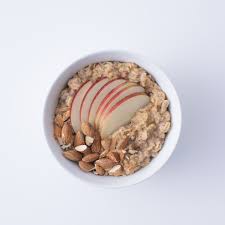
Oats can be an excellent addition to a healthy weight loss diet.

They’re not only low in calories but also high in protein and fiber that keep you feeling full.A 1/2-cup (40-gram) serving of dry oats has just 148 calories but packs 5.5 grams of protein and 3.8 grams of fiber — both of which can have a significant impact on your hunger and appetite

One study in 48 adults demonstrated that eating oatmeal increased feelings of fullness and reduced hunger and calorie intake at the next meal .Another small study linked instant and old-fashioned oatmeal to significantly improved appetite control over a four-hour period compared to a ready-to-eat breakfast cereal

2.Asparagus

Asparagus is a flowering vegetable that comes in green, white and purple varieties.

All types of asparagus are healthy, but purple asparagus has compounds called anthocyanins that may help prevent heart disease.

One cup (134 grams) of asparagus has only 27 calories and is rich in vitamin K and folate, providing 70% and 17% of the DVs, respectively

3.Grapefruit—37 Calories Per Half Grapefruit

It’s time to pucker up if you’re searching for a fruit that keeps sugar calories in check. As with other citrus, grapefruit is a vitamin C heavyweight. University of Arizona (Tucson) researchers determined that daily intake can help lower waist circumference, blood pressure, and cholesterol numbers, making it a ticker-friendly low-calorie fruit option.

4.Coffee

Calories: zero

Black coffee is one of the lowest-calorie drink choices around, and it’s a great weight loss ally. Coffee alters levels of gut peptides, the hormones naturally released to control hunger or fullness.

Coffee drinkers may be at lower risk of liver and colon cancer, type 2 diabetes, and Parkinson’s disease, and it may help you live longer: A 2008 study found that women who drank coffee regularly—up to six cups a day—were less likely to die of various causes during the study than their non-coffee-drinking counterparts.

What’s more the caffeine in coffee can speed up metabolism and fat-burning, which helps lower your risk of type 2 diabetes and obesity.

5.Greek Yogurt

Greek yogurt is a great source of protein that can help curb cravings and promote weight loss.

Though the exact numbers vary between brands and flavors, a 2/3-cup (150-gram) serving of Greek yogurt typically provides about 130 calories and 11 grams of protein.One study in 20 women examined how a high-protein yogurt snack affected appetite compared to unhealthy high-fat snacks like chocolate or crackers.

Not only did women who ate yogurt experience less hunger, but they also consumed 100 fewer calories at dinner than those who ate crackers or chocolate.Meanwhile, in another study in 15 women, high-protein Greek yogurt helped reduce hunger and increase feelings of fullness compared to lower-protein snacks.

6.Clementines

Clementines resemble mini oranges. They’re a common snack in the United States and are known for their high vitamin C content.

One fruit (74 grams) packs 60% of the DV for vitamin C and only 35 calories

7.Rice Cakes, Plain—35 Calories Per Cake

When you’re craving something crunchy, rice cakes can satisfy your need without a significant number of calories. Made from puffed brown rice, the cakes can also provide a source of whole grains and energizing carbohydrates. Avoid flavored options to steer clear of sugars and other sketchy ingredients.

8.Mushrooms

Calories: 15 per cup

Meaty and incredibly low-cal, mushrooms are also incredibly diverse. White button, Portobello, shiitake, and Maitake are just a few of the varieties you’ll find in your grocery store. Fortunately, just about all mushrooms contain some form of immune-boosting antioxidants, along with potassium, B vitamins, and fiber.

Shiitakes, for example, contain lentinan, a nutrient that is thought to have anticancer properties. All mushrooms are good sources of vitamin D, thiamin, riboflavin, niacin, vitamin B6, pantothenic acid, phosphorus, potassium, copper and selenium.

9.Fish

Fish is rich in protein and heart-healthy fats.

For instance, a 3-ounce (85-gram) serving of cod provides over 15 grams of protein and under 70 calories.

Some research points out that increasing protein intake can decrease appetite and reduce levels of ghrelin, the hormone that stimulates hunger What’s more, fish protein may be especially beneficial for reducing hunger levels and appetite.

One study evaluating the effects of beef, chicken and fish protein showed that fish protein had the greatest impact on feelings of fullness To cut calorie consumption even further, opt for lean fish like cod, flounder, halibut or sole over higher-calorie options like salmon, sardines or mackerel.

10.Mussels—73 Calories Per 3 Oz.

Here’s more proof that you should cast your line and reel in mussels! With 10 grams of high-quality protein in a serving, they offer an exceptional protein-to-calorie ratio. This is on top of the fact that they’re very inexpensive, considered one of the most sustainable choices among your seafood options, and deliver a dose of ultra-healthy omega-3 fats.

A European Journal of Sports Science study suggests getting your fill of omega-3 fats may help bolster exercise performance by improving blood flow, maximum oxygen uptake by working muscles.

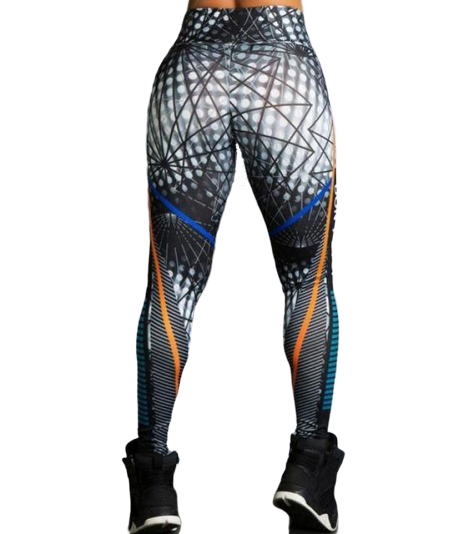
If you are looking for workout clothes check our fitness and yoga leggings page. Sources: http://www.healthline.com, http://www.bodybuilding.com, http://www.health.com


workout leggings
fitness and yoga leggings

Top 10 Breakfast Foods for Weight Loss

Breakfast is most important meal of the day, but what we eat is even more important.

1.Raspberries

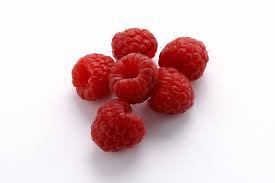
A cup of raspberries delivers a whopping 8 grams of fiber (that’s more than double what’s in a cup of strawberries and about the same amount in a cup of some types of beans). What’s so great about all that fiber? Recent research in the Journal of Nutrition suggests eating more fiber as a way to prevent weight gain or even encourage weight loss.

Over the course of the two-year study, the researchers found that boosting fiber by 8 grams for every 1,000 calories resulted in about 4 ½ pounds of weight lost at fiber? Recent research in the Journal of Nutrition suggests eating more fiber as a way to prevent weight gain or even encourage weight loss. Over the course of the two-year study, the researchers found that boosting fiber by 8 grams for every 1,000 calories resulted in about 4 ½ pounds of weight lost.

2.Eggs

Rich in protein and a wealth of important vitamins and minerals, such as selenium and riboflavin, eggs are a true powerhouse of nutrition (1).

Thanks to their high protein content, eggs may reduce appetite when eaten with breakfast to give weight loss a serious boost.

For example, one study in 30 overweight women showed that eating eggs for breakfast significantly increased feelings of fullness and reduced food intake later in the day, compared to eating a bagel.

Similarly, another study in 152 adults found that replacing a bagel breakfast with eggs resulted in 65% more weight loss and a 34% greater decrease in waist circumference over an eight-week period

From boiled to scrambled to sunny-side-up, there are many different ways to enjoy your eggs.

Try cooking up two or three eggs any style, then combining them with a serving of your favorite veggies, for a nutritious and delicious breakfast.

3.Avocado Egg Boat Bake

Say hello to the weight-loss breakfast of champions. Eggs provide protein and essential nutrients, sure, but the real star here is the avocado. Not only is it filled with vitamins, but it also has omega-3 fatty acids that have been shown to help suppress appetite, since mono- and poly-unsaturated fats (AKA the good fats) promote satiety. They also help boost your metabolism, and the oleic acid found in the green fruit is a type of omega-9 fatty acid — meaning it may reduce hunger and decrease the number of calories you take in at your next meal. Another incentive to dig in: the American Heart Association says eating an avocado a day may keep the bad cholesterol away.

4.Watermelon

Sugar, per 1⁄2 cup: 5 g
Fiber, per 1⁄2 cup: 5 g

Watermelon sometimes gets a bad rap for being high in sugar, but the fruit has some impressive health benefits. Research conducted at the University of Kentucky showed that eating watermelon may improve lipid profiles and lower fat accumulation.

5.Oatmeal

Oatmeal can help you lose weight in two ways. First, it’s packed with fiber and it keeps you feeling fuller longer. Second, a recent study in the reported that eating a breakfast made with “slow-release” carbohydrates—such as oatmeal or bran cereal—3 hours before you exercise may help you burn more fat. How? Eating “slow-release” carbohydrates doesn’t spike blood sugar as high as eating refined carbohydrates (think: white toast). In turn, insulin levels don’t spike as high. Because insulin plays a role in signaling your body to store fat, having lower blood sugar levels may help you burn fat.

6.Bananas

High in fiber but low in calories, bananas are a great alternative to sugary breakfast cereals to satisfy your sweet tooth first thing in the morning.

One medium banana has just over 100 calories yet packs 3 grams of dietary fiber — knocking out up to 12% of your daily fiber needs in one shot.Fiber helps slow the emptying of your stomach to curb cravings and keep you feeling fuller longer.

Multiple studies have found that upping your intake of fiber from fruits and vegetables is associated with increased weight loss.Additionally, unripe bananas are a good source of resistant starch, a type of starch that your stomach and small intestine don’t digest.

Research suggests that resistant starch may help reduce food intake and decrease belly fatBananas can be enjoyed alone or sliced as a topping for yogurt, cottage cheese or oatmeal. You can also add unripe, green bananas to your morning smoothie for a hearty dose of resistant starch.

7. Nut and Seed Bread

For an easy, gluten- and grain-free breakfast recipe, look no further than this bread from Keri Glassman, M.S., R.D., founder of The Nutrition School. It’s packed with important nutrients, including omega-3s and protein, and researchers from the University of Missouri-Columbia found that women who consumed a protein-rich breakfast reported greater appetite control throughout the day.

8.Jalapenos

Sugar, per pepper: 0.6 g
Fiber, per pepper: 0.4 g

Registered dietitian Isabel Smith loves spicing up her morning meal—and with good reason: “Thanks to their capsaicin content, spicy peppers can rev the metabolism and may also help to promote satiety, ” she explains. “Try adding jalapeño or another spicy pepper to an egg dish or avocado toast,” Smith suggests.

9. Matcha-Chia Pudding Parfaits

“Matcha is made from ground green tea leaves, and [it] provides an antioxidant kick as well as a small boost to your metabolism,” Largeman-Roth says. The mango and kiwi contain fiber, while the chia seeds have anti-inflammatory alpha-linolenic acid (ALA) fatty acids, which are also a good source of protein, she adds.

10.Sweet Potatoes

Sugar, per 1⁄2 cup: 7 g
Fiber, per 1⁄2 cup: 2 g

The vibrant tubers are called superfoods for good reason: They’re packed with nutrients and can help you burn fat. Sweet potatoes are high in fiber and have a low glycemic index, which means they’re absorbed slowly and keep you feeling full longer. Minchen likes to use them to whip up a sweet potato hash. “I love any variation of this dish because it provides rich vitamins, minerals, and fiber from all the veggies. It is very filling, which helps keep appetite and portions under control as the day goes on,” she says.

If you are looking for workout clothes check our fitness and yoga leggings page. Sources: http://www.eatingwell.com, http://www.womansday.com, http://www.healthline.com, http://www.eatthis.com

workout leggings
fitness and yoga leggings